A wheel that comes loose after a change is the tire shop's responsibility, not the customer's. That is the very reason wheel changing is not a job you hand to just anyone on a busy October day. Here is what a shop should have in place before it charges to change wheels, and why competence and certification are worth taking seriously.
Responsibility follows whoever does the job
When you charge for a wheel change, you also take on responsibility for the wheel being secure when the car drives out. If it goes wrong, it is the workshop that answers for it, not the driver who trusted professionals. It is a responsibility that is easy to underestimate at the peak of the season, when the pressure is highest and the temptation to let an untrained seasonal helper work alone is closest.
The requirements are set by the trade – check them there
The formal requirements for who may carry out and be responsible for wheel changes are administered by the trade through Norsk Dekkbransjeforbund, the Norwegian Tire Trade Association, and they change over time. So the rule is simple: do not go by memory, or by what was fine five years ago. Check the current requirements and certification schemes with Norsk Dekkbransjeforbund before you set up your routines, and make sure the people who actually do the work hold the competence the scheme requires. A certification is also the simplest proof you have, both to the customer and to an insurer, that the work was done by someone who knows how.
The craft that decides whether the wheel stays on
The change itself is routine right up until it isn't. These are the points that separate a safe change from one that can go wrong:
- Clean the hub face before mounting – rust and dirt between hub and rim give the wrong clamping force.
- Check bolts and studs for wear and damage, and use the right type and length.
- Tighten to the correct torque per the vehicle manufacturer's specification, with a calibrated torque wrench and in the right sequence.
- Ask the customer to come back for a re-torque after a short drive – the bolts can settle.
- Check and reset the tyre pressure sensors where the car has them.
None of these points take long. Every one of them costs time and money on the day it gets skipped.
Document the job while you do it
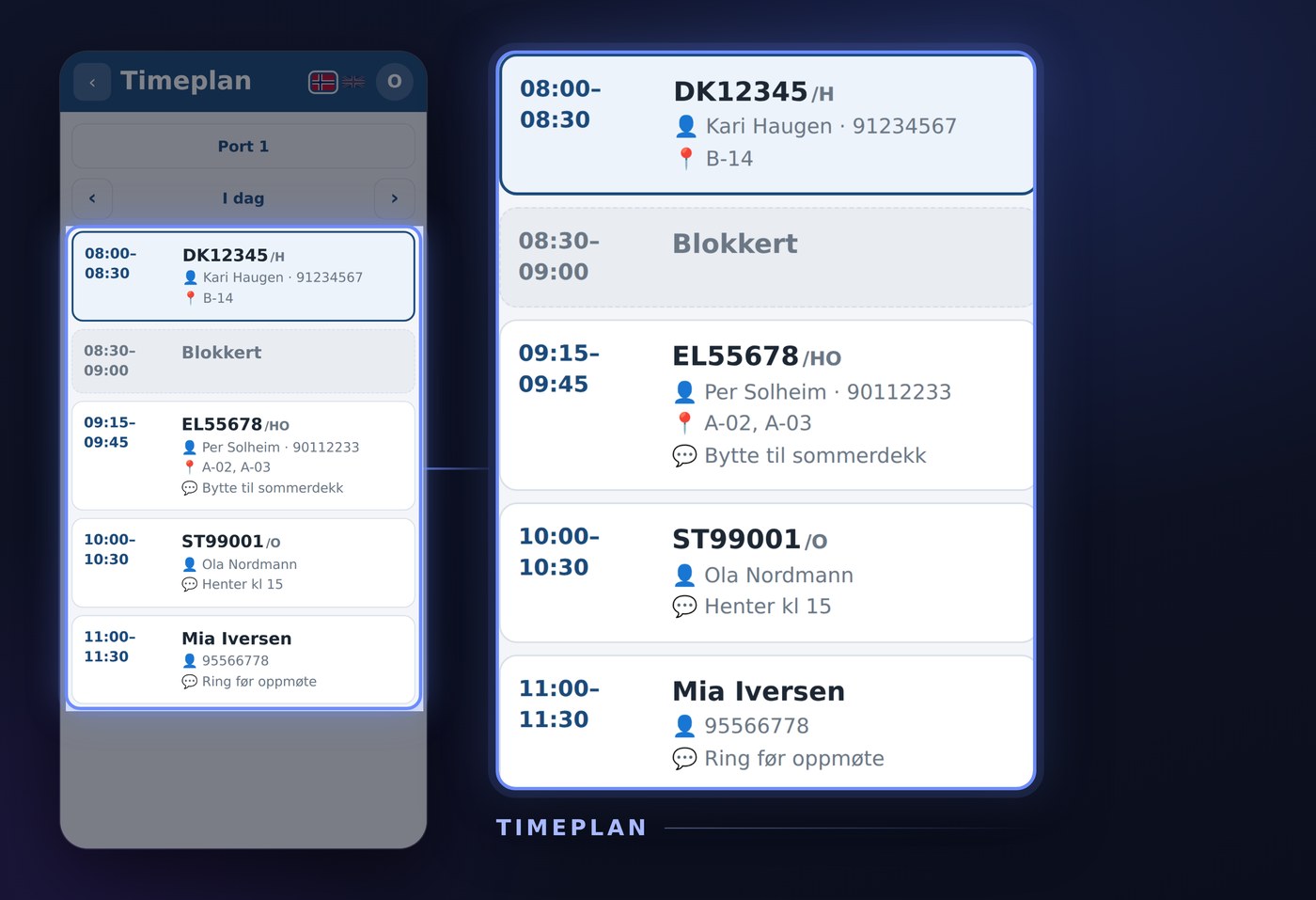
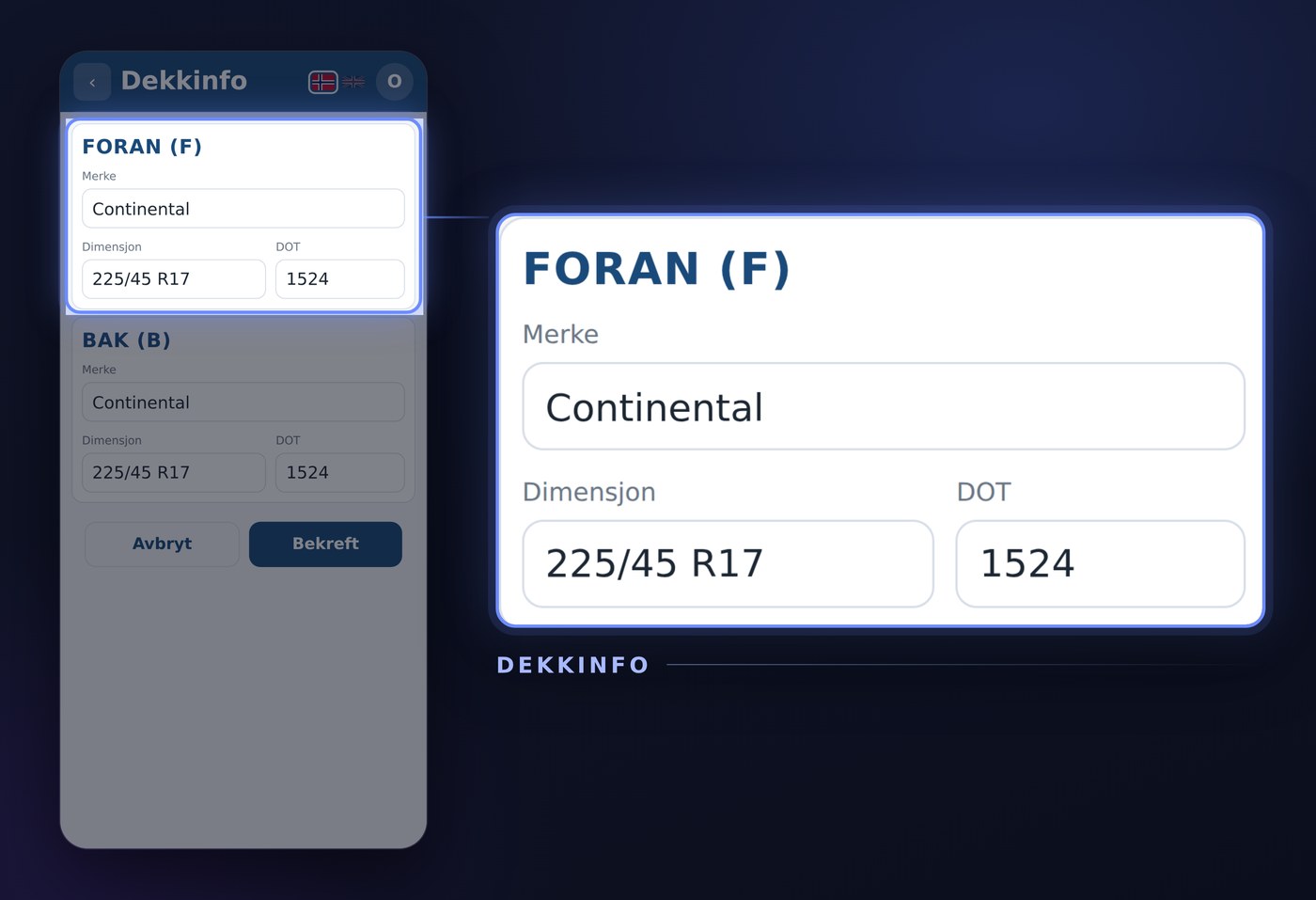
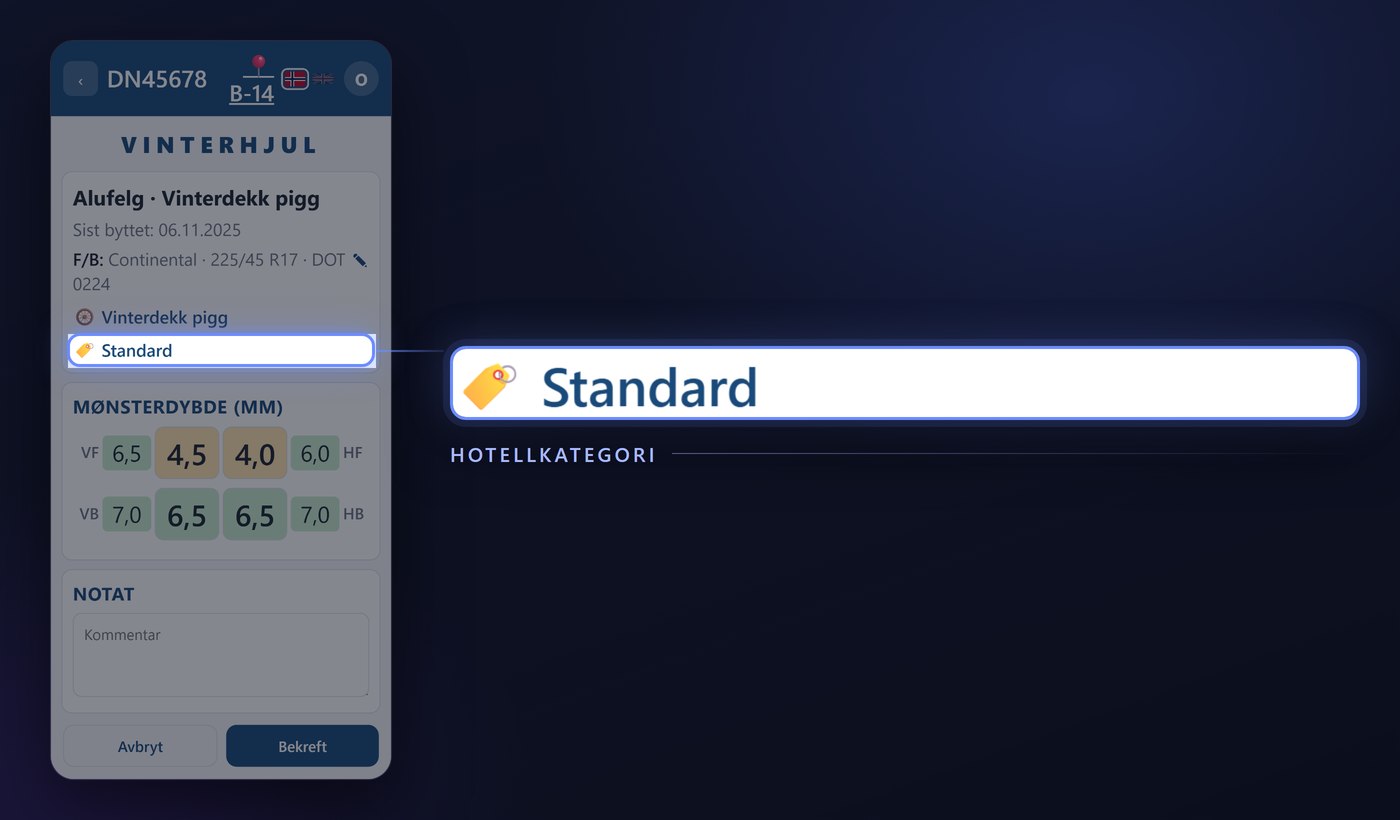
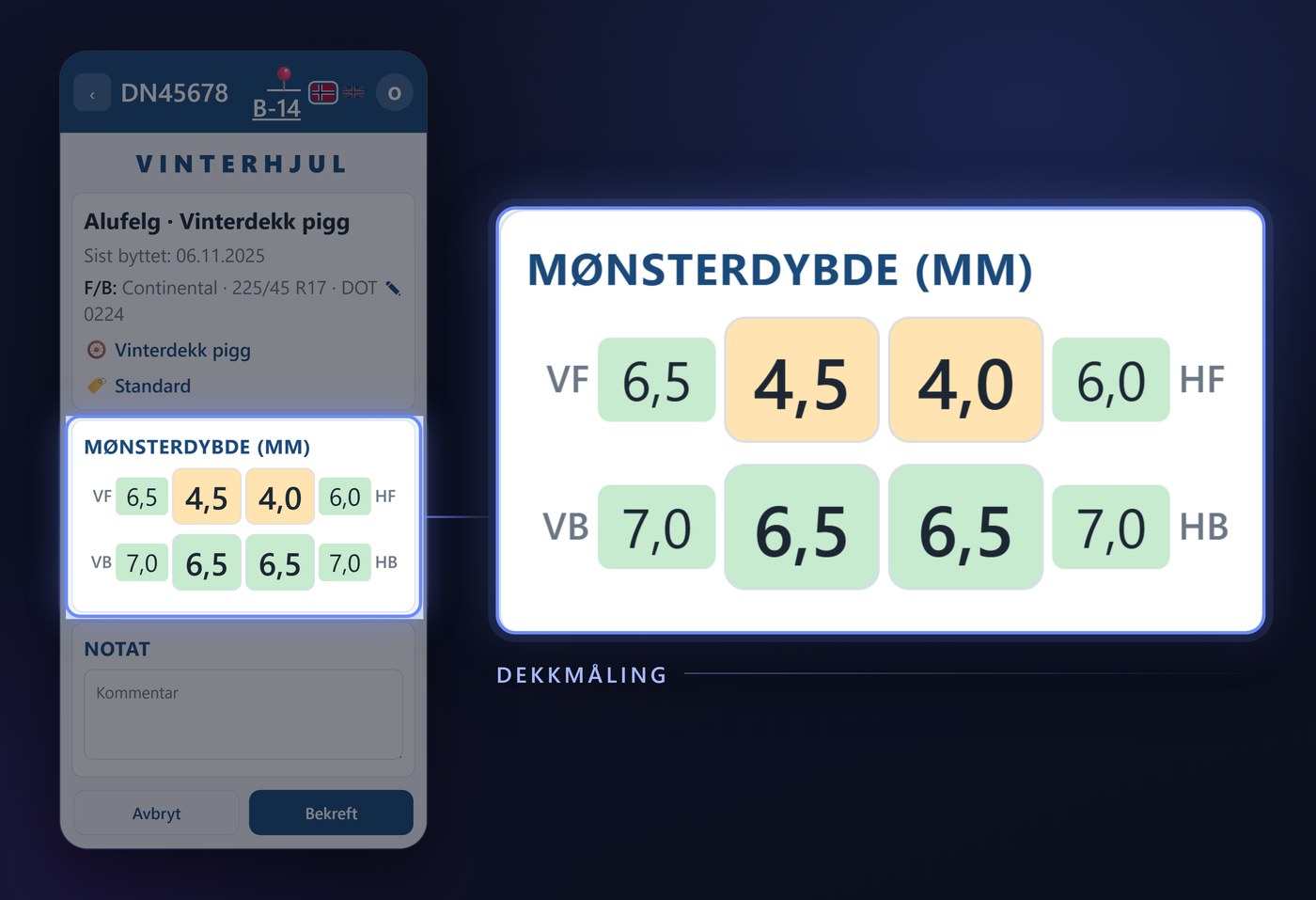
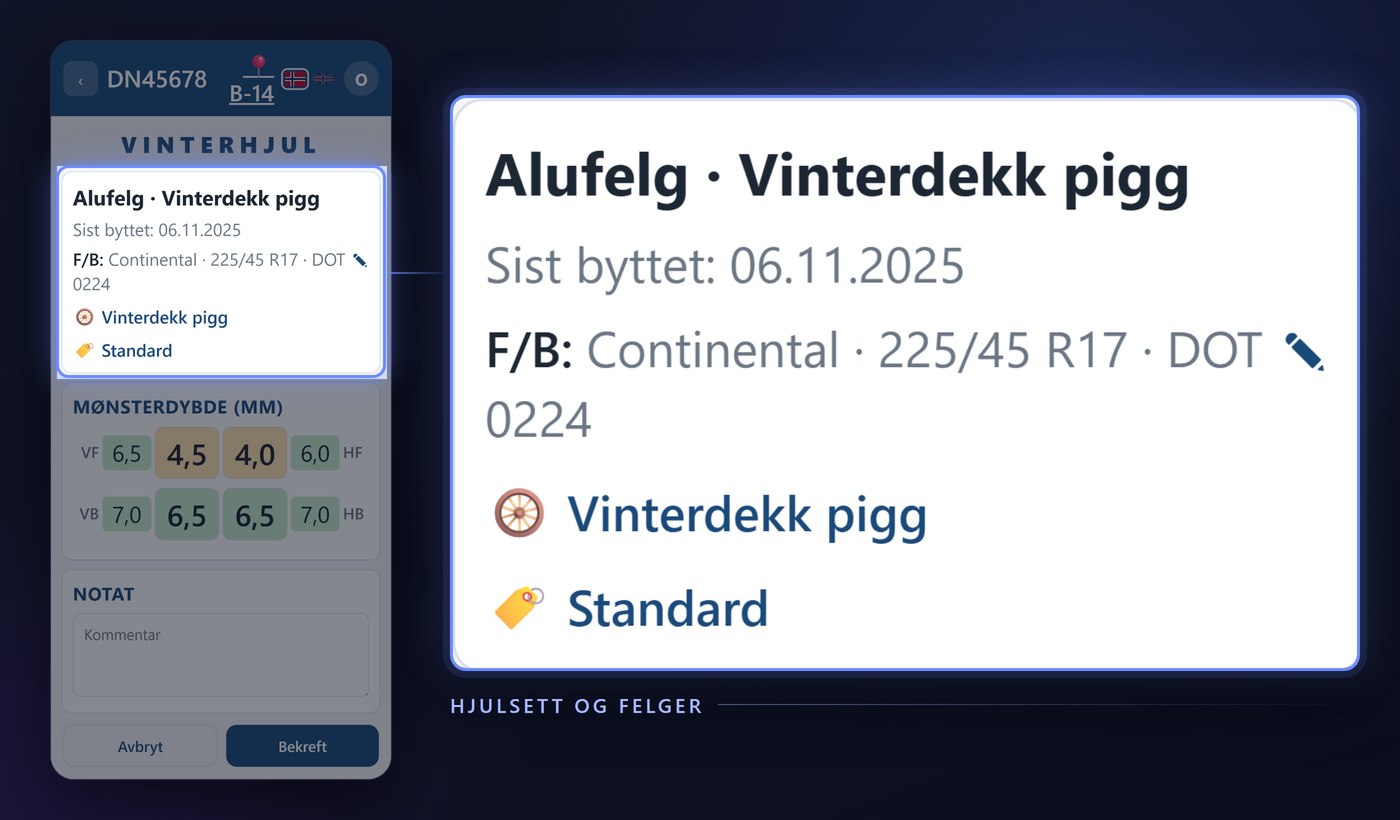
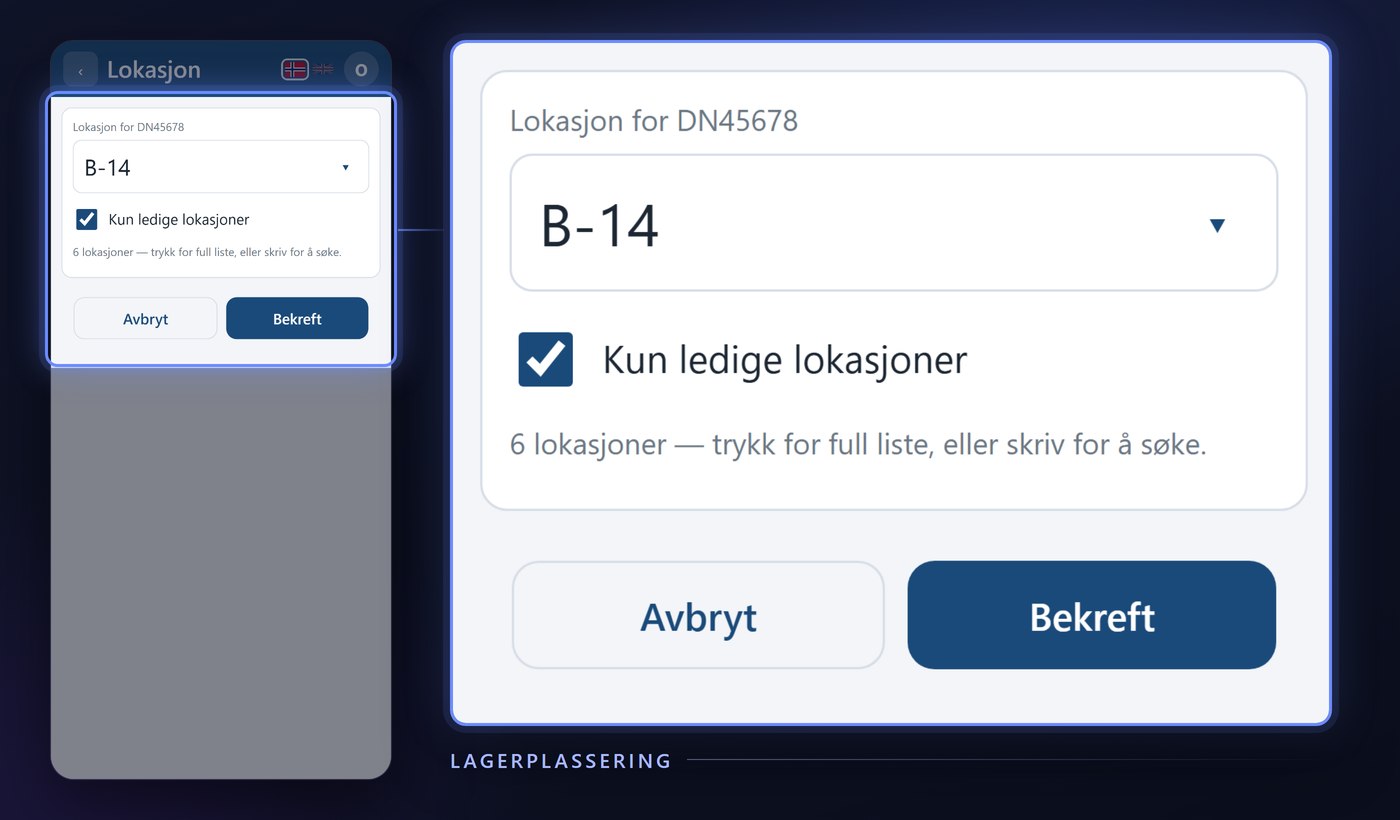
The best protection against a disagreement next spring is having written down what was done. Tread depth at drop-off, which wheel set belongs to which car, and who carried out the change – all of it settles an argument before it starts. A system that keeps a record of every change makes this part of the job rather than an extra task at the end of the day.
Seasonal staff must be trained, not just set to work
The season is handled with extra hands, but extra hands without training are a risk, not relief. Set aside time in September to train seasonal staff on exactly the points above, and let the most safety-critical steps – torque and final check – go through someone who knows the trade. That is how you get volume without giving up quality.
Certification is a selling point too
Customers who have read about wheels coming loose increasingly ask who changes their wheels. A certified workshop and visible expertise are a concrete answer, and an edge over the shop next door that cannot point to the same. Competence is not just a cost you have to carry – it is something you can charge for.
How the system helps
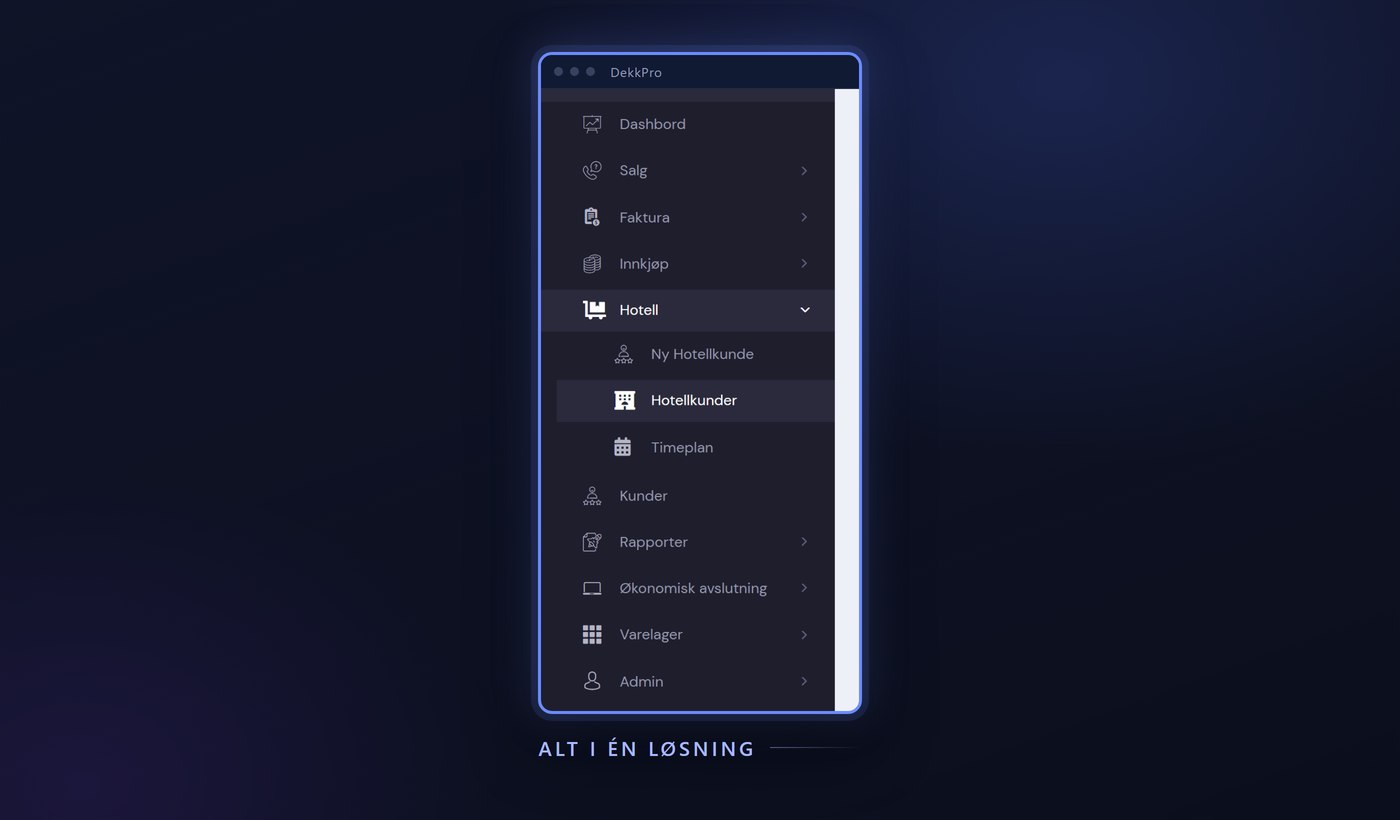
DekkPro keeps a record of every change, documents tread depth at drop-off and tracks which wheel set belongs to which customer, so the documentation is there the day you need it. See the modules or pricing and packages. You will find the formal certification requirements at Norsk Dekkbransjeforbund – this text is practical advice, not a legal ruling.