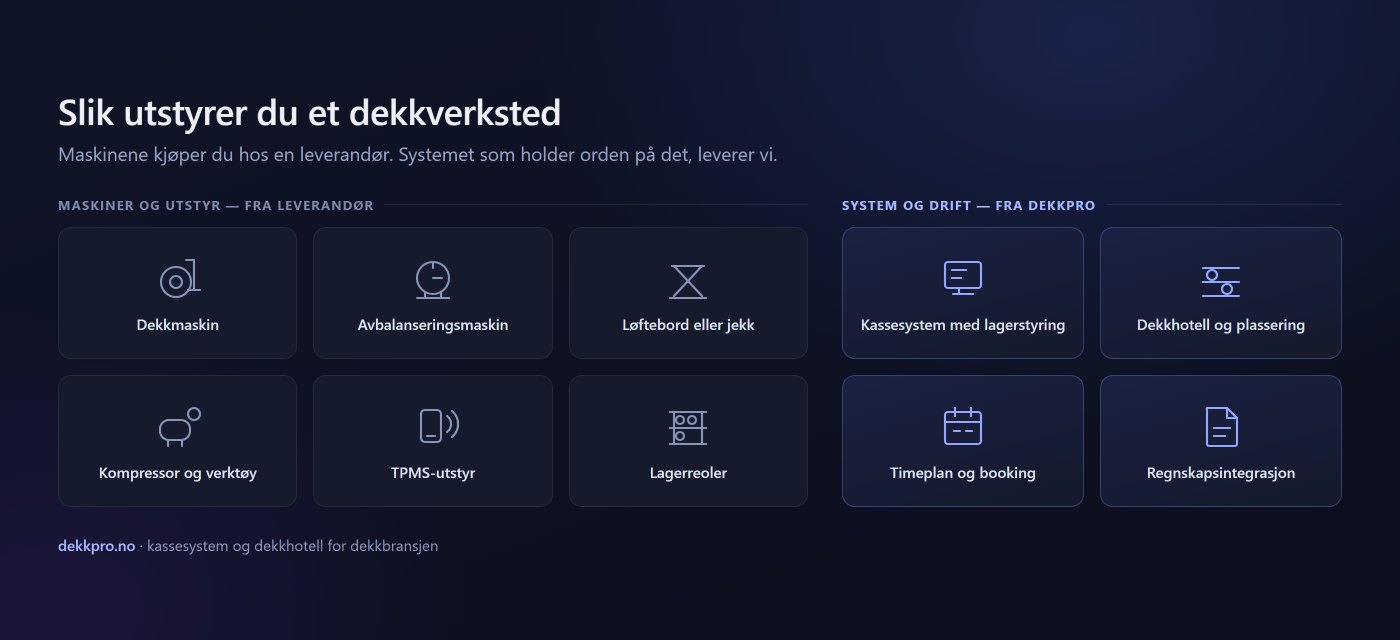
Are you starting a tire workshop, or expanding one you already run? Then there are two lists to keep track of: the machines and equipment that do the physical work, and the system that keeps track of customers, wheel sets and money. We only supply the second one. But we see what happens in shops that postpone it, so here are both.
The machines you cannot avoid
The core is two machines: a tire changer that gets the tire on and off the rim, and a wheel balancer that stops the wheel vibrating afterwards. If you are unsure what you need, three questions decide most of it: which rim diameters you will handle, whether you will take low-profile tires with stiff sidewalls, and whether trucks or agricultural tires are relevant. Stiff tires are why many choose a tire changer with a helper arm — without one, certain tires become a fight, and the risk of damaging the rim goes up.
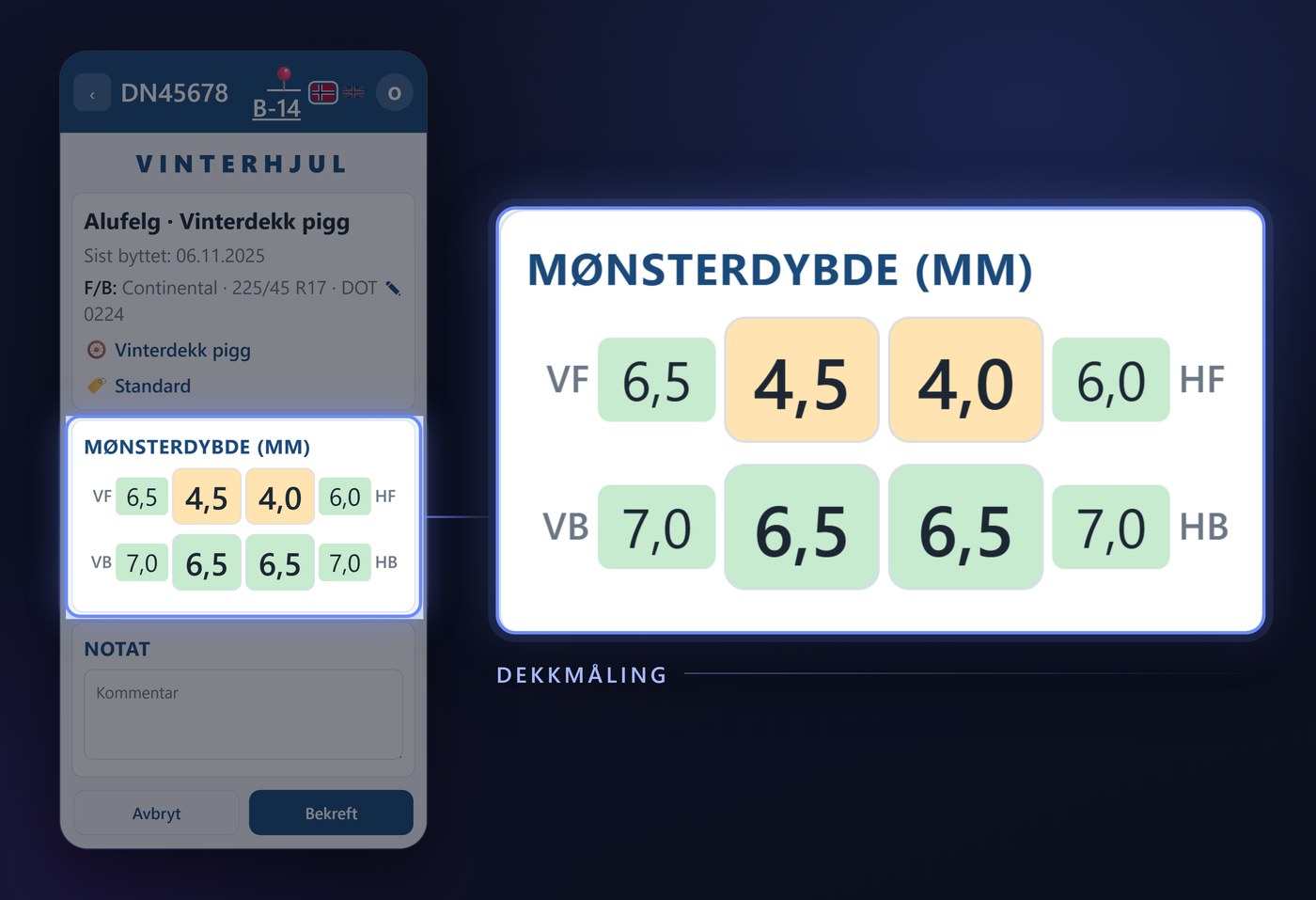
Beyond those two you need a compressor with enough capacity to hold pressure through a busy day, a torque wrench, a lift or jack, and equipment for TPMS sensors. TPMS is worth taking seriously early. Sensors have to be programmed, and a customer who gets a warning light on the way home will come back — with good reason.
We do not sell machines, and we have no interest in recommending a particular brand. If you get in touch we are happy to point you towards suppliers who serve the trade, but the choice is yours and should follow from what you will actually be working on.
Storage decides how many customers you can say yes to
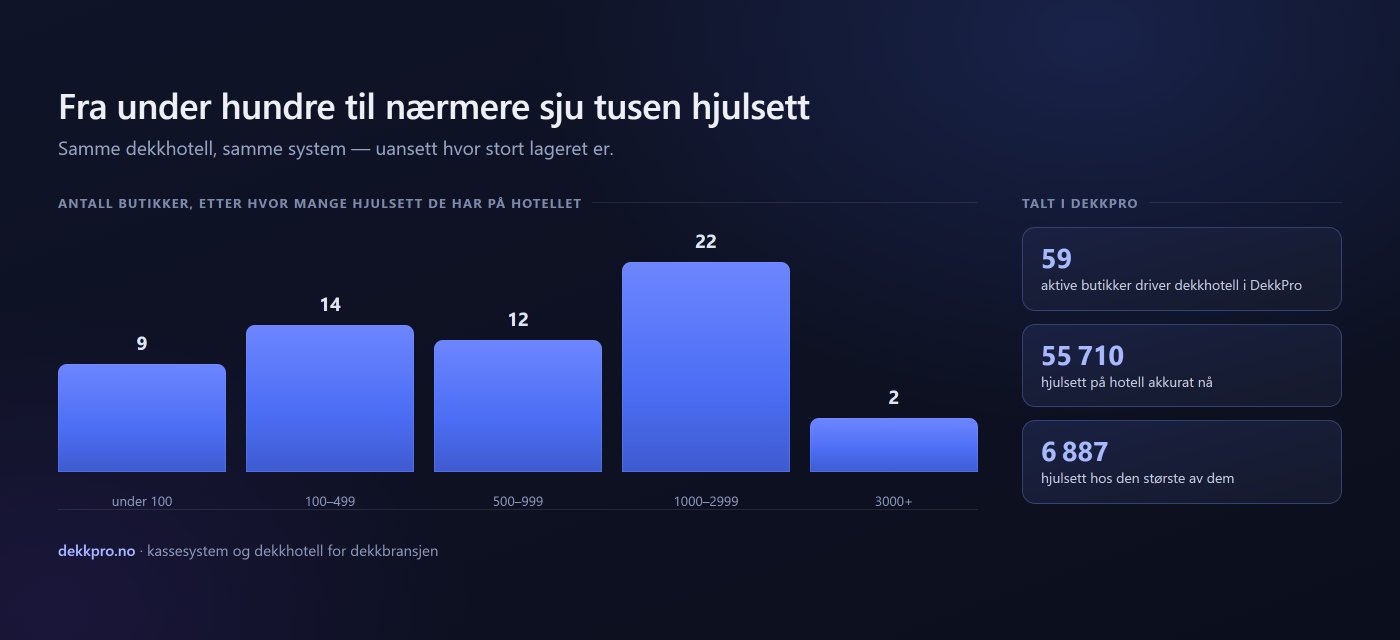
Racks and floor space are not the exciting part of starting up, but they set the ceiling. The number of wheel sets you have physical room for is the number of tire hotel customers you can sell the season to. Count the spaces before you sell it, not after.
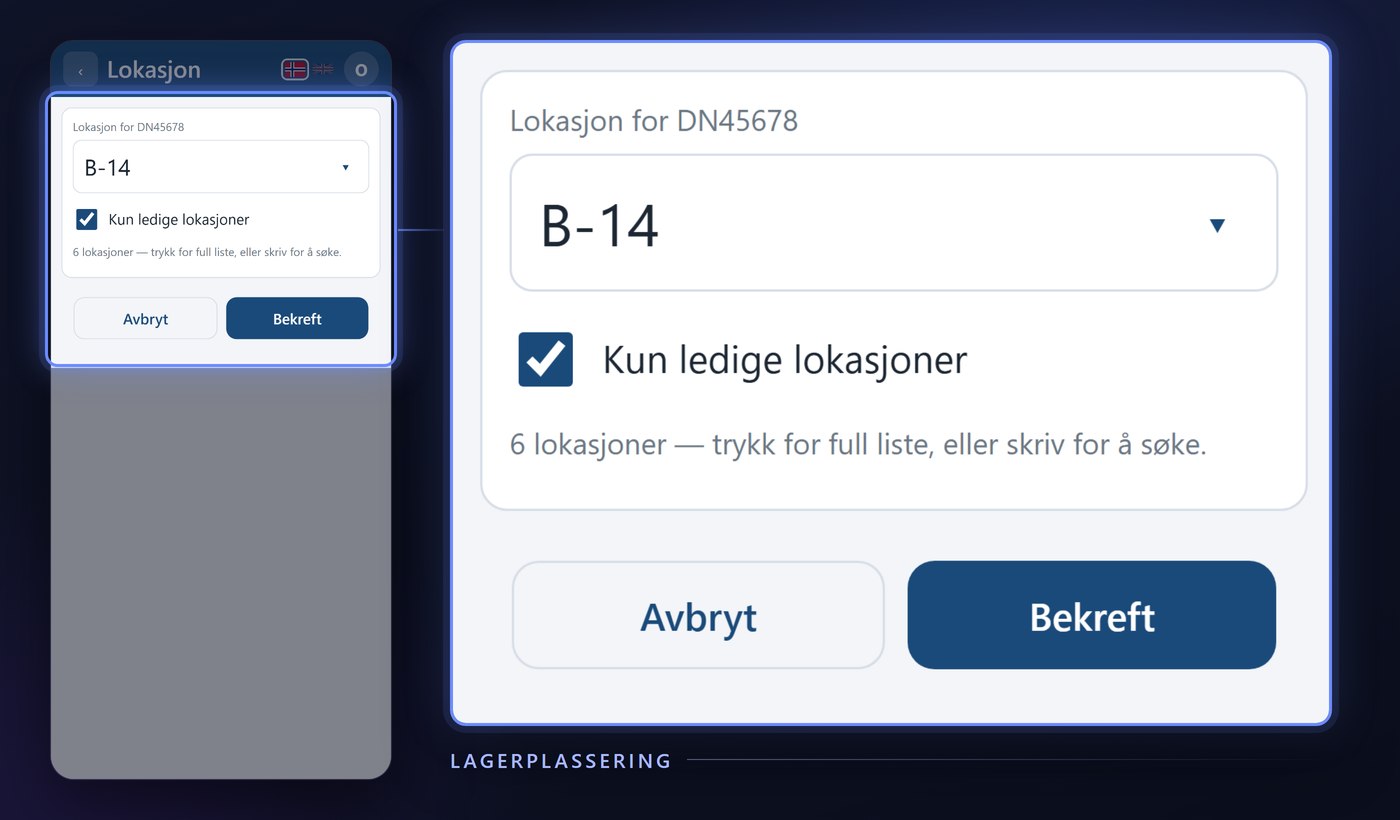
Two things are worth settling before the first set arrives: how the locations will be labelled, and who is responsible for a set actually being where the system says it is. Wheel sets are heavier than loose tires and need sturdier racks, and they should not be stacked so high that the weight deforms the ones at the bottom.
You need someone to buy tires from
If you are going to sell tires and not just fit them, you need an agreement with one or more wholesalers. It is worth clarifying early what the delivery time actually is in high season, how returns are handled, and whether the supplier can ship directly to the end customer. The answers affect how much you must hold in your own stock, and therefore how much capital sits on the shelves through the winter.
Check which requirements apply before you open
Changing wheels for payment is not entirely unregulated. The trade sets competence requirements, and they change over time. Find out what applies now — from the industry association and current regulations — before you open the doors, not afterwards. We will return to this topic in a separate post.
The system is the part we know something about
Once the machines are in place, the question few think about before the first season remains: where does the information live? Which wheel set is where, who has paid for the season, who should be called in next month, what did the set you sold last week actually cost. In the beginning it runs on memory and a spreadsheet. That stops working at roughly the same time as business starts going well.
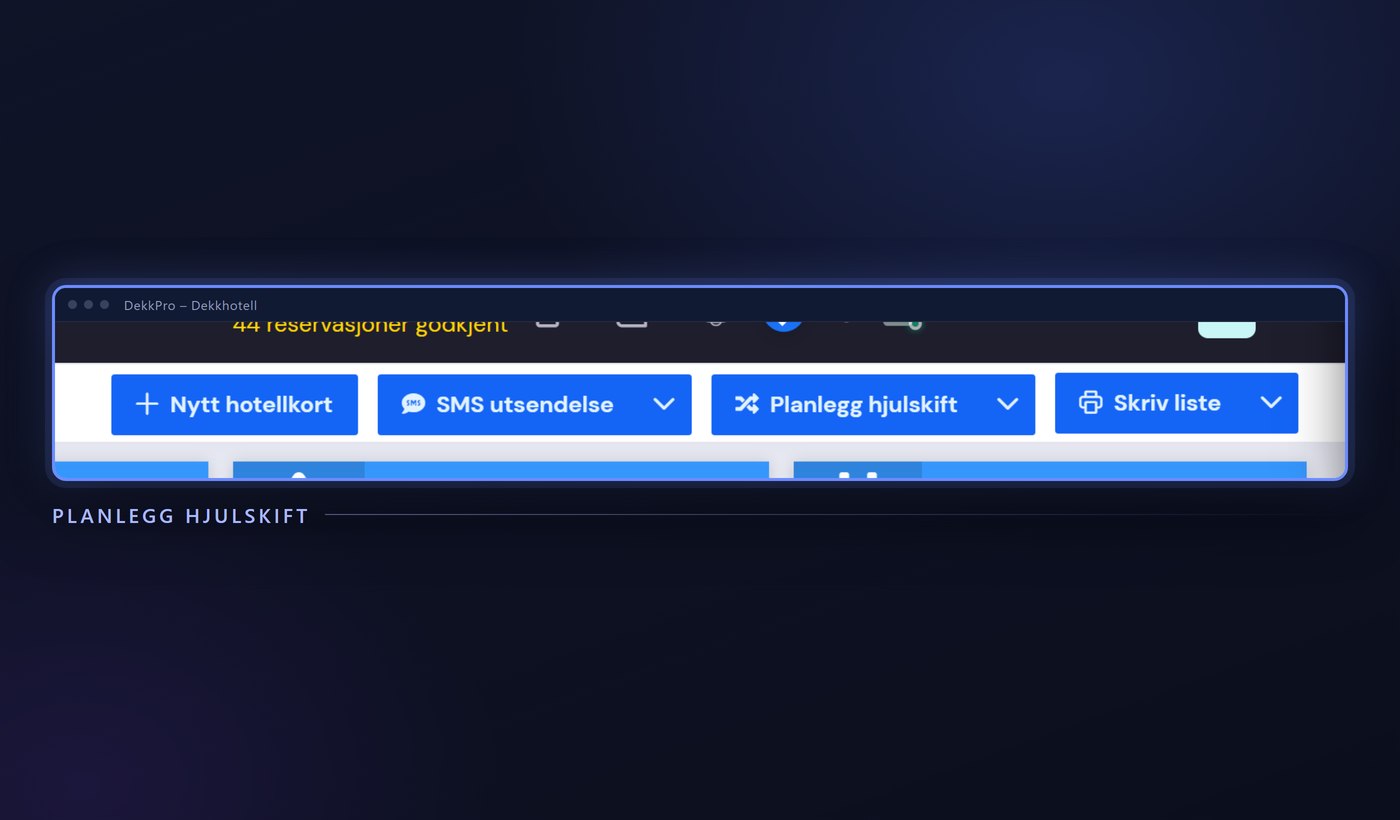
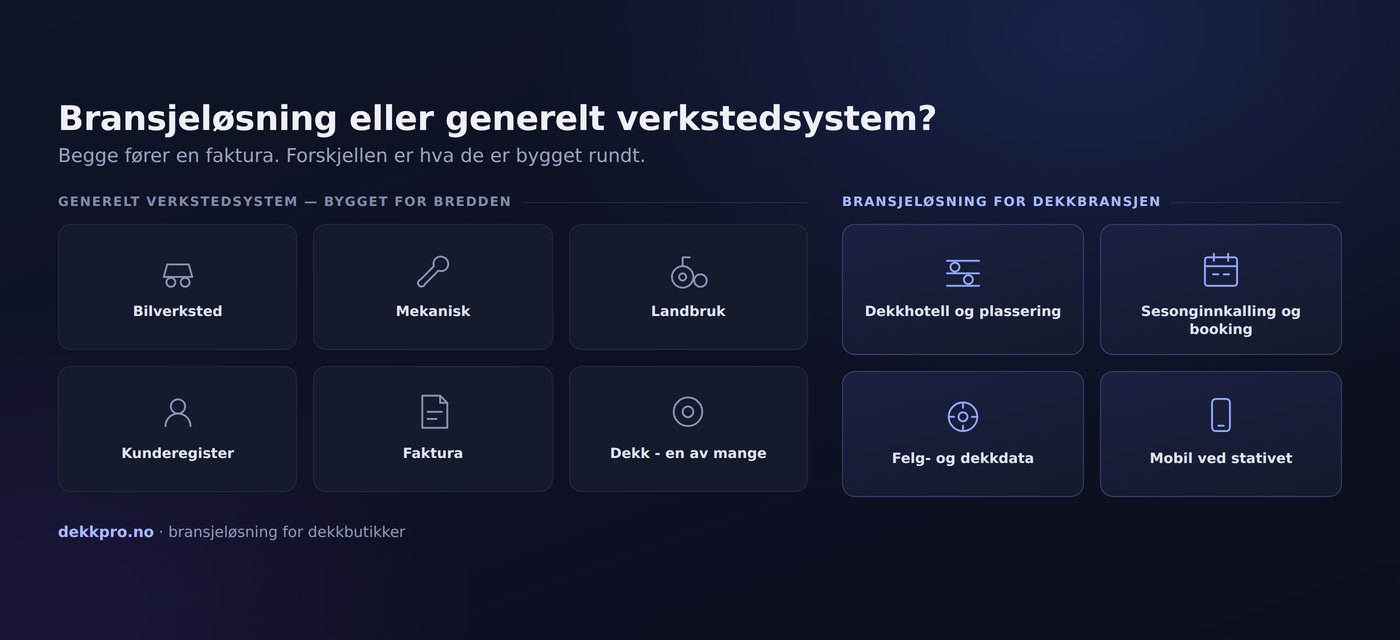
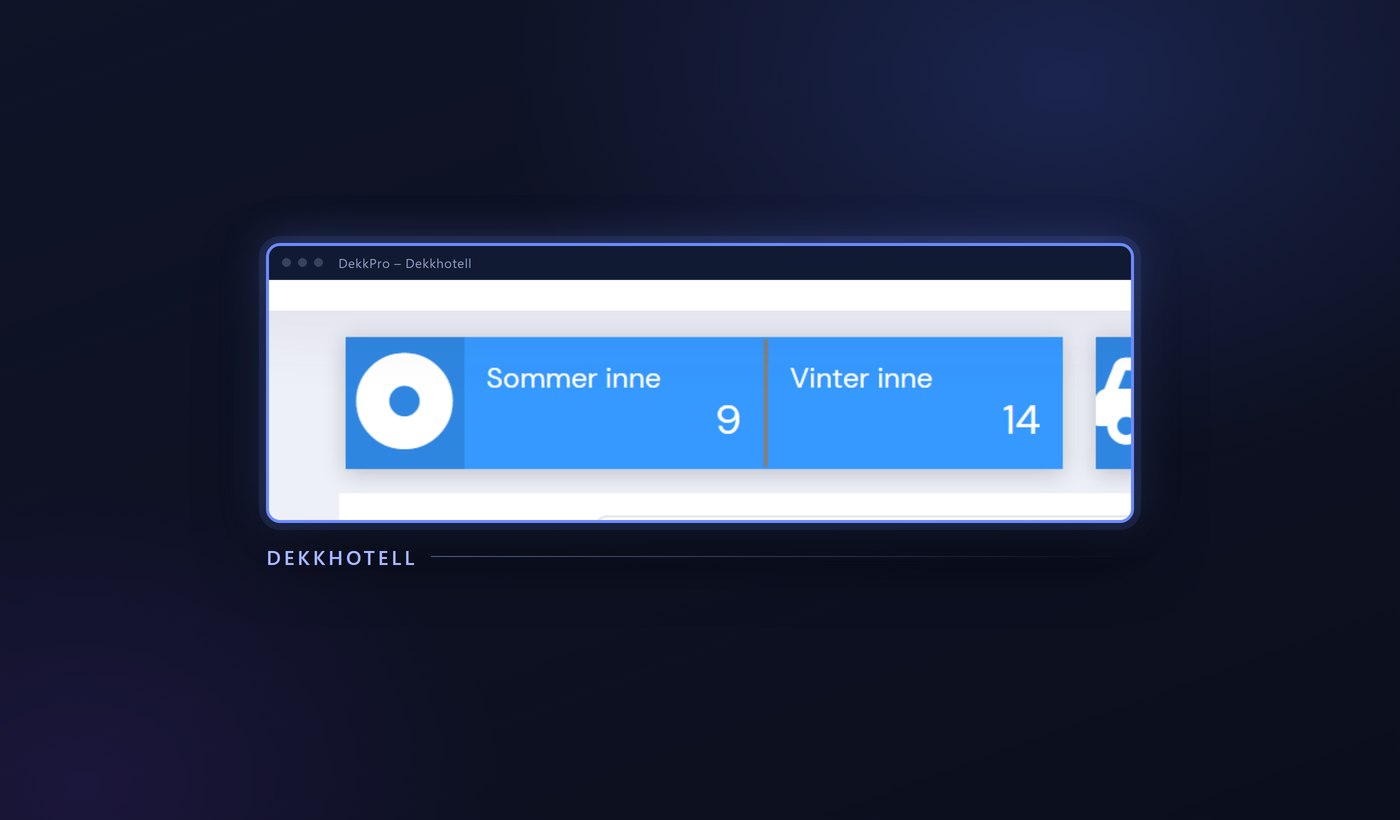
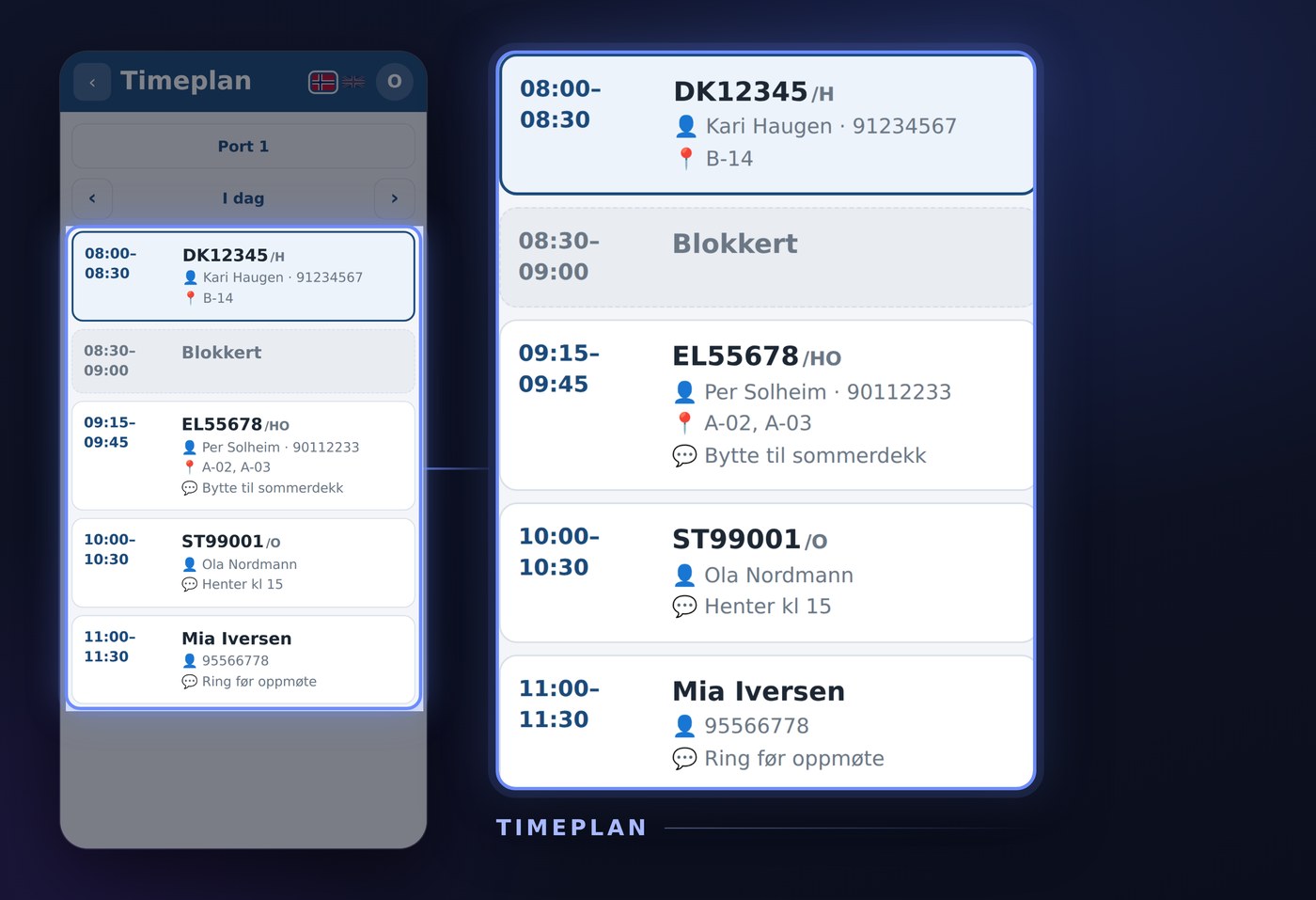
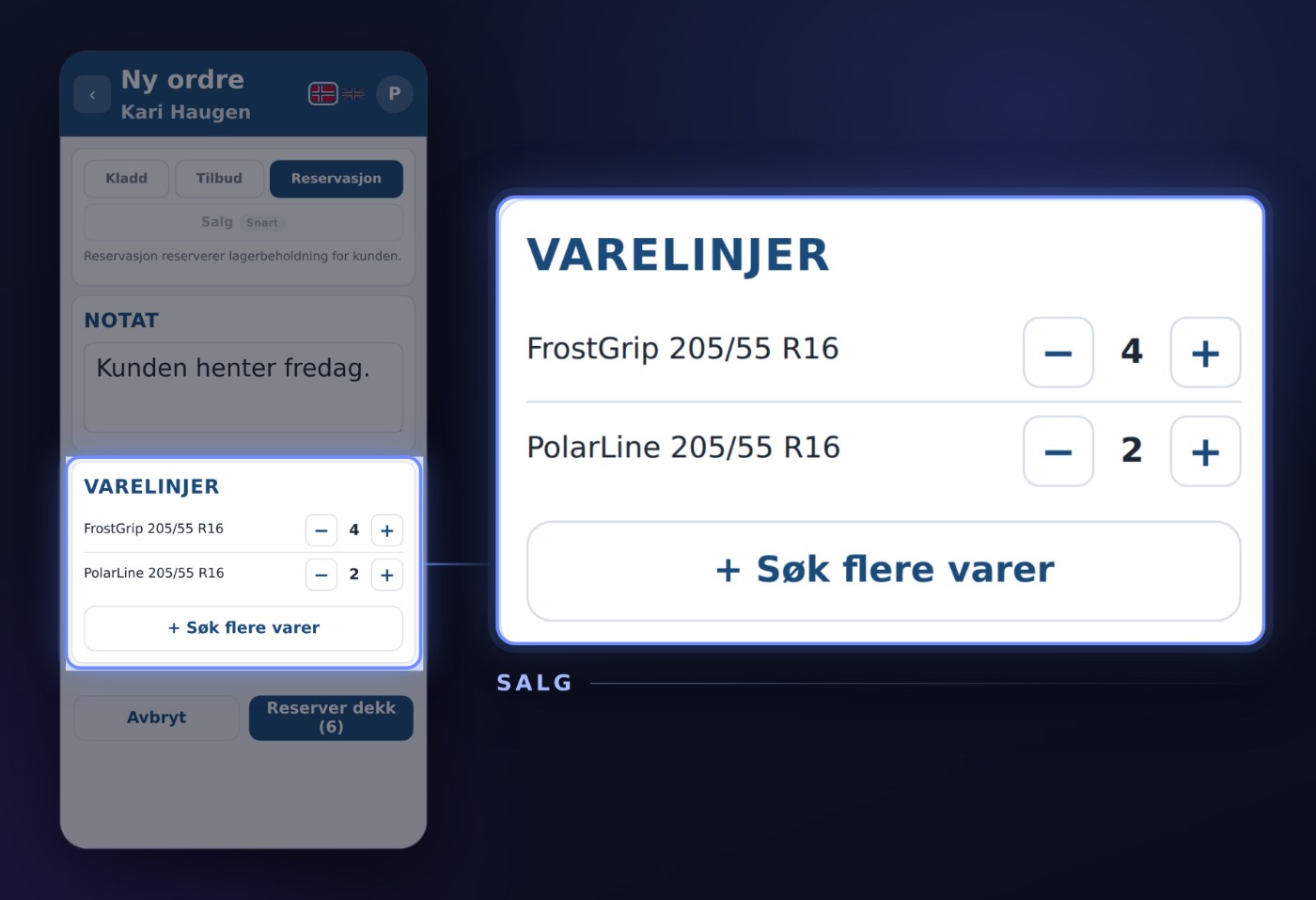
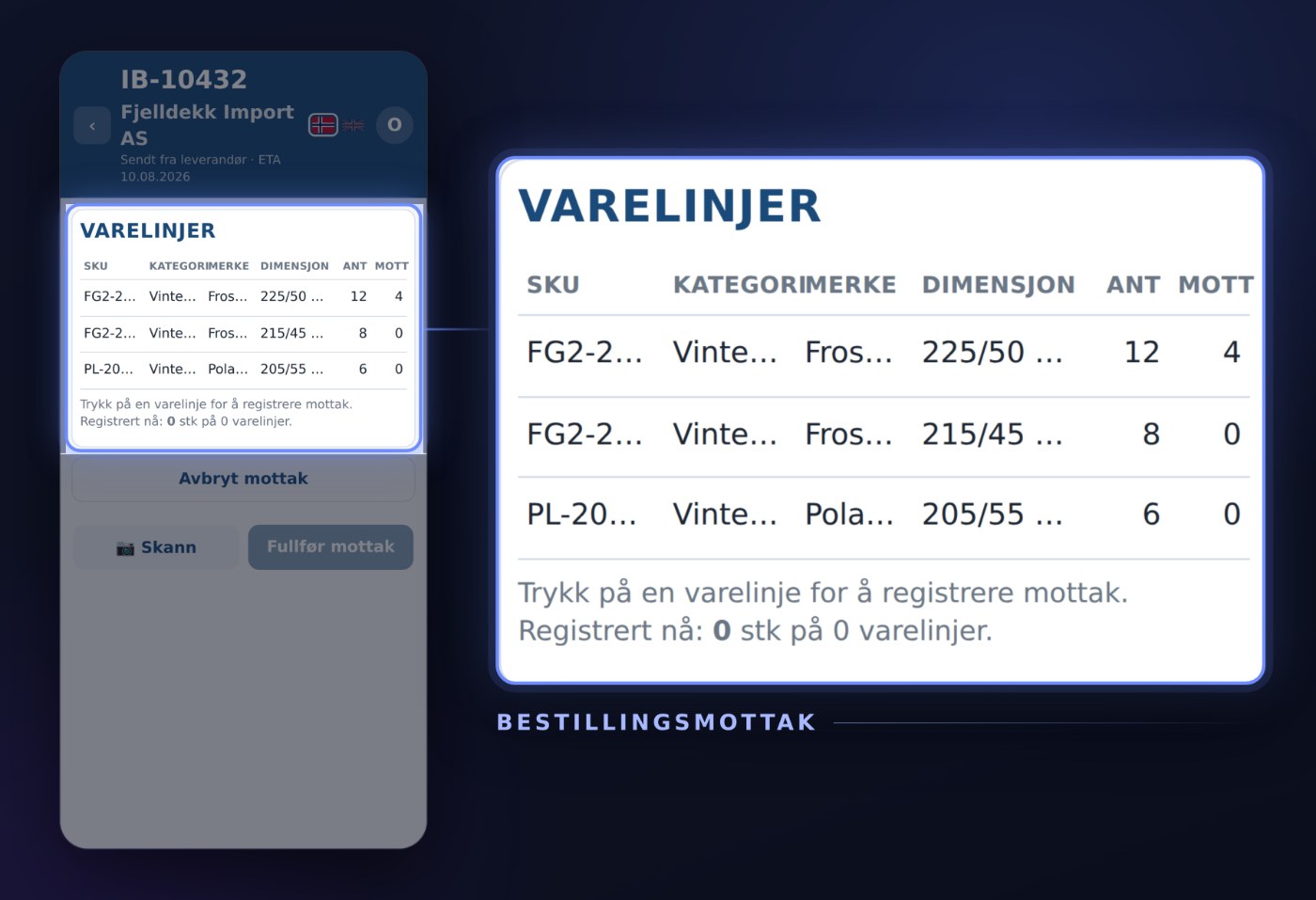
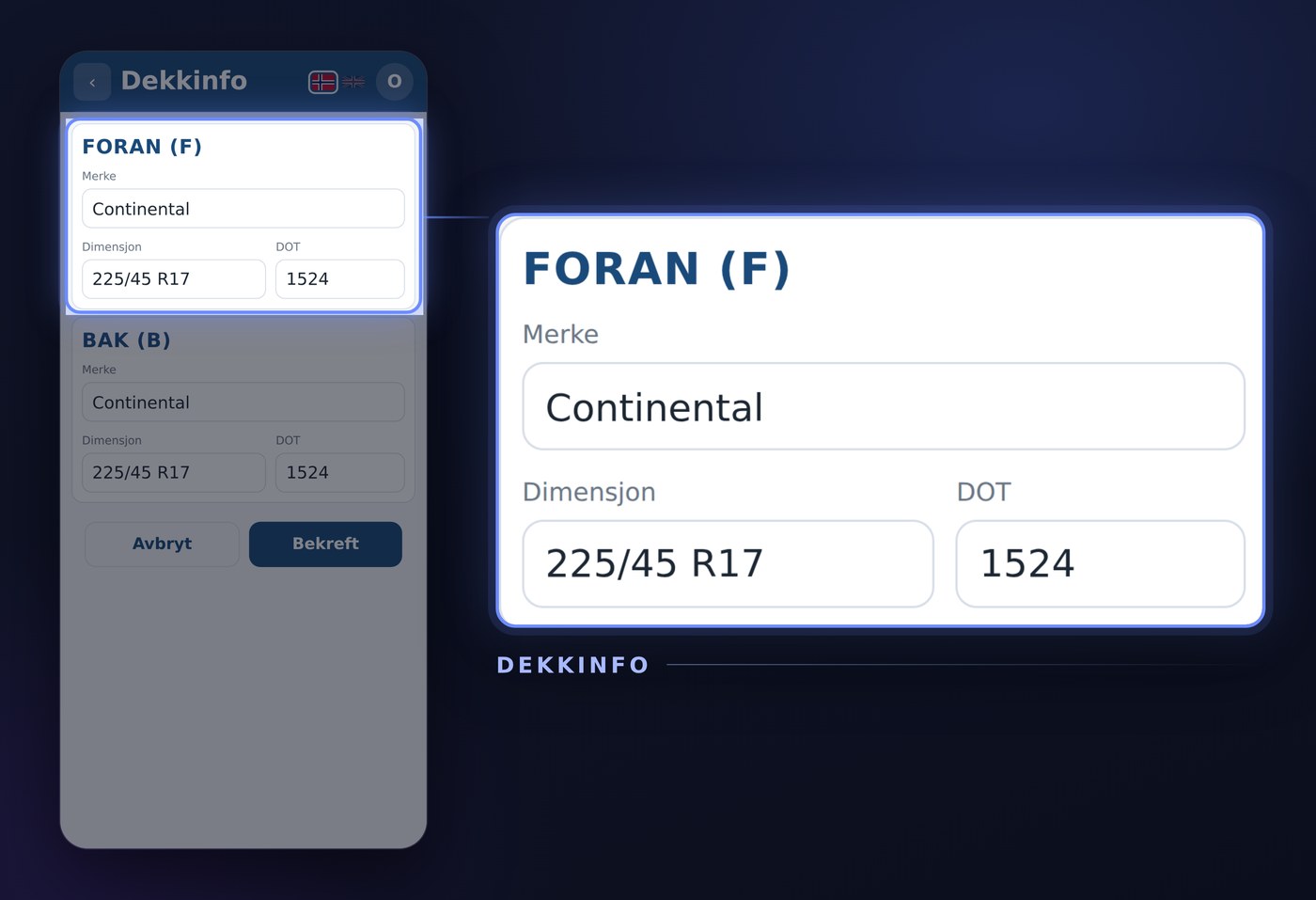
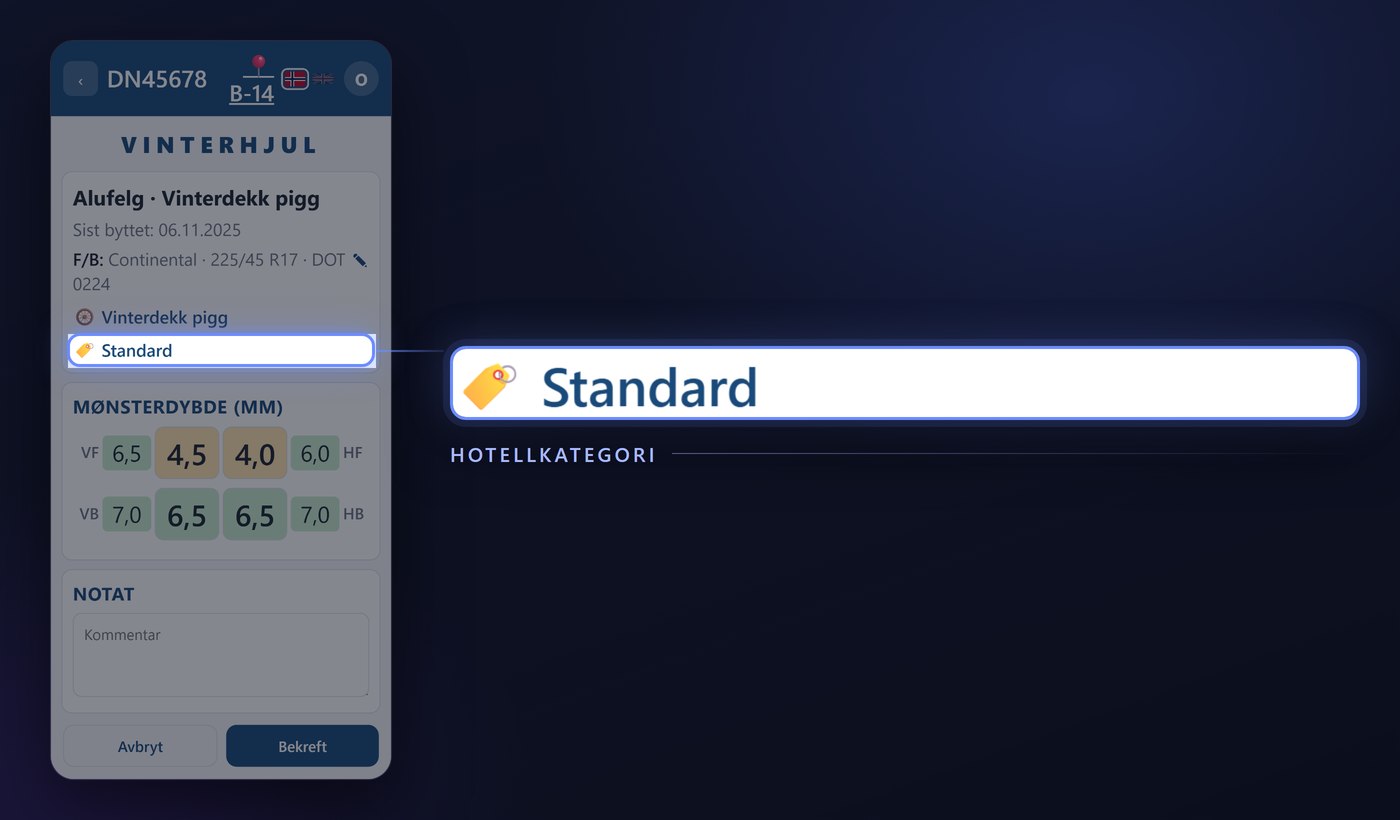
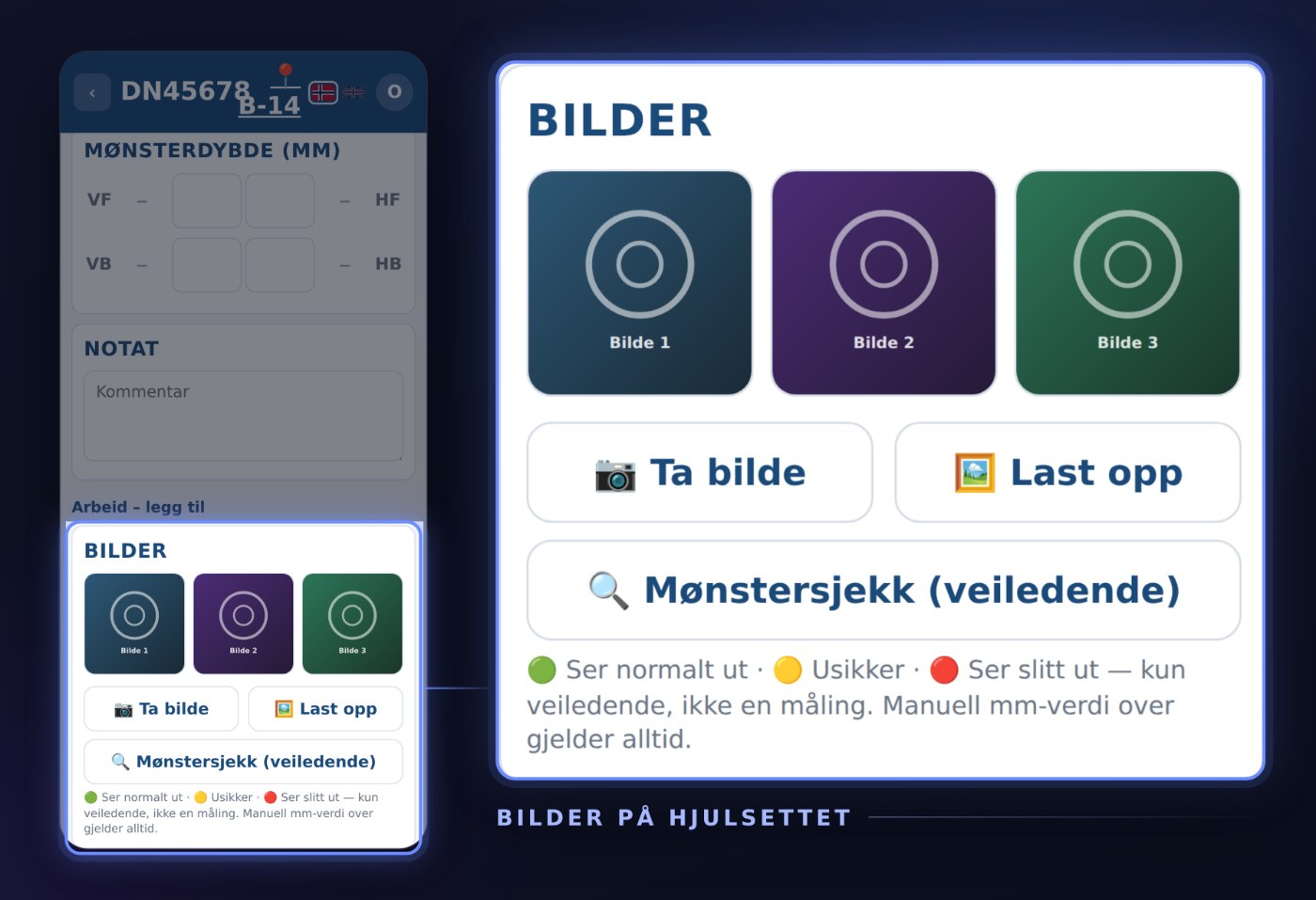
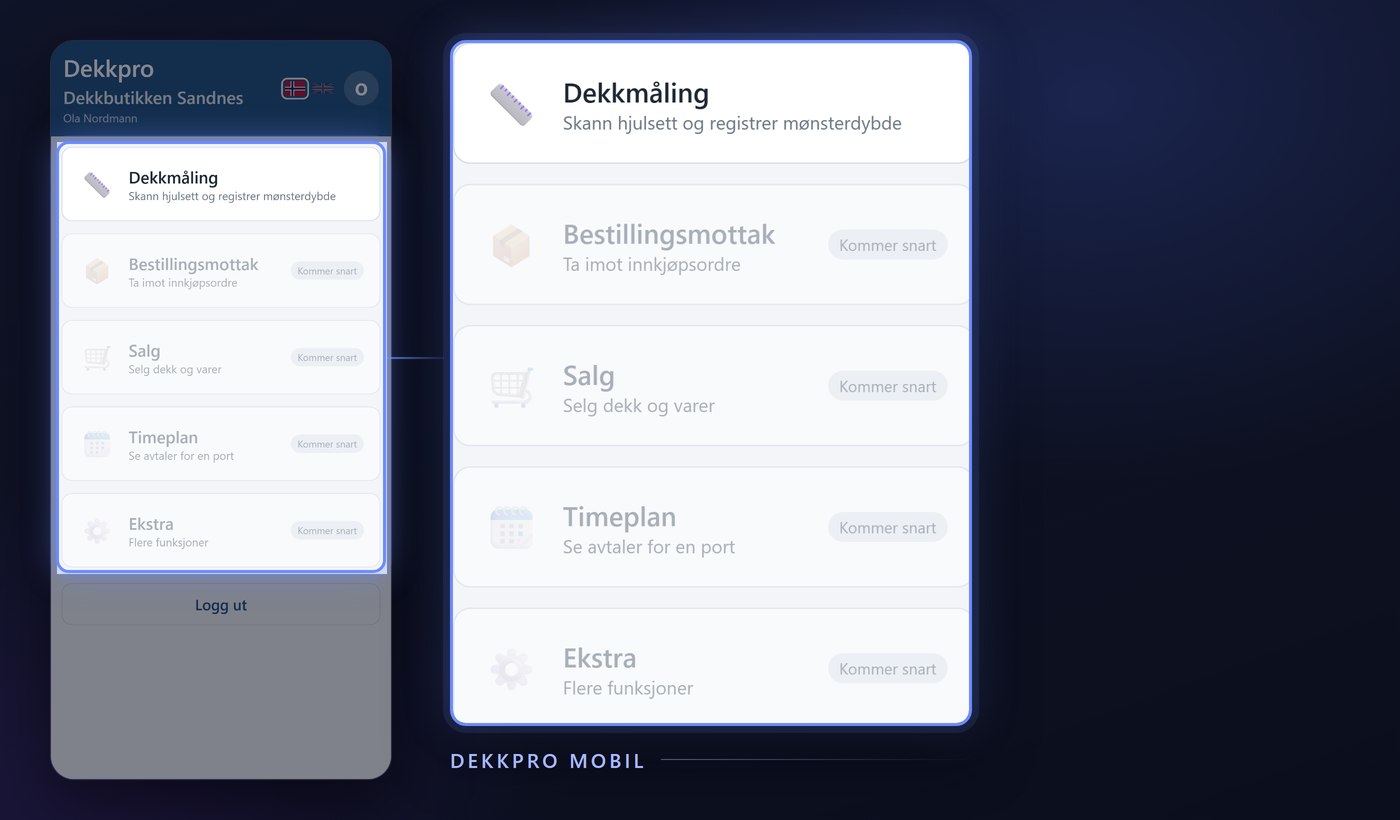
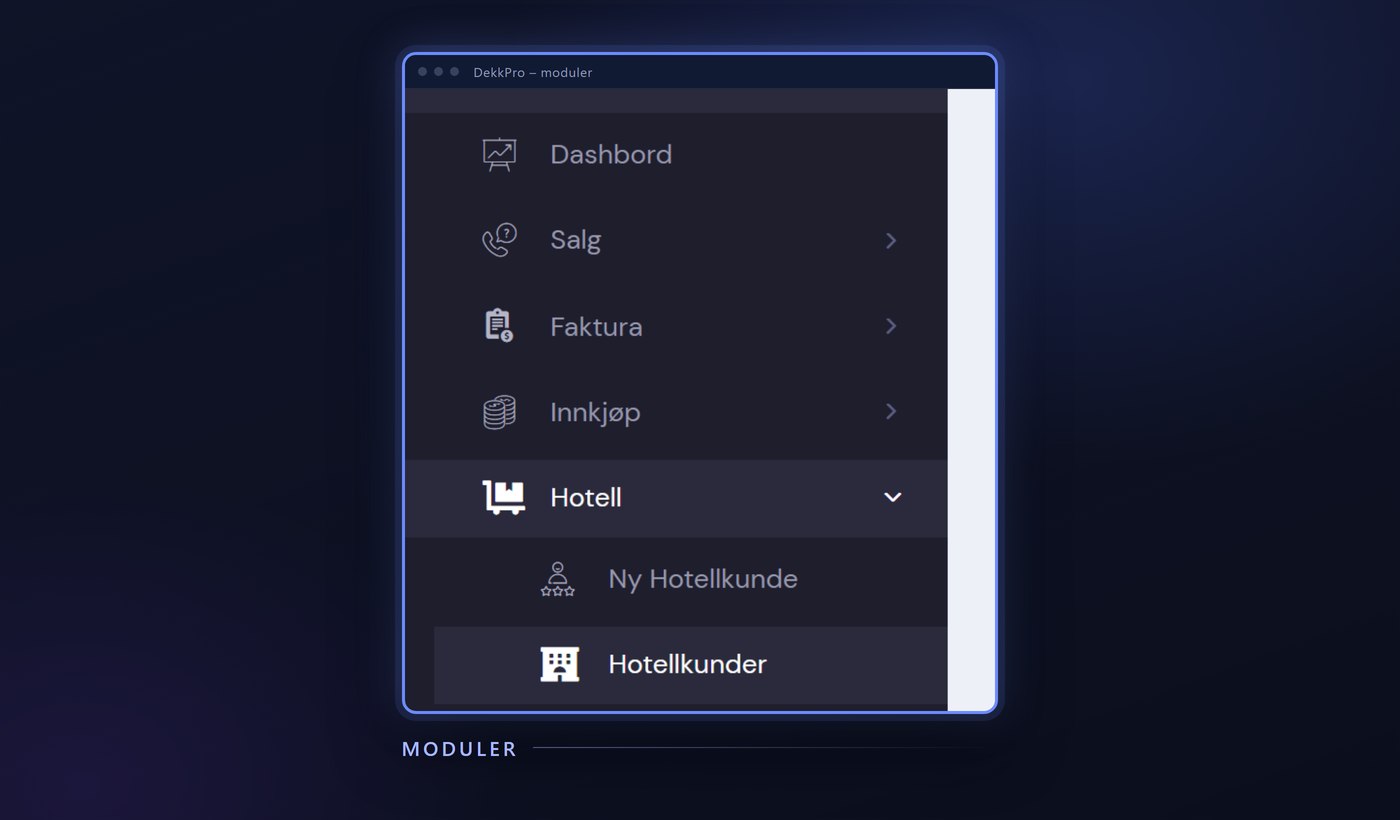
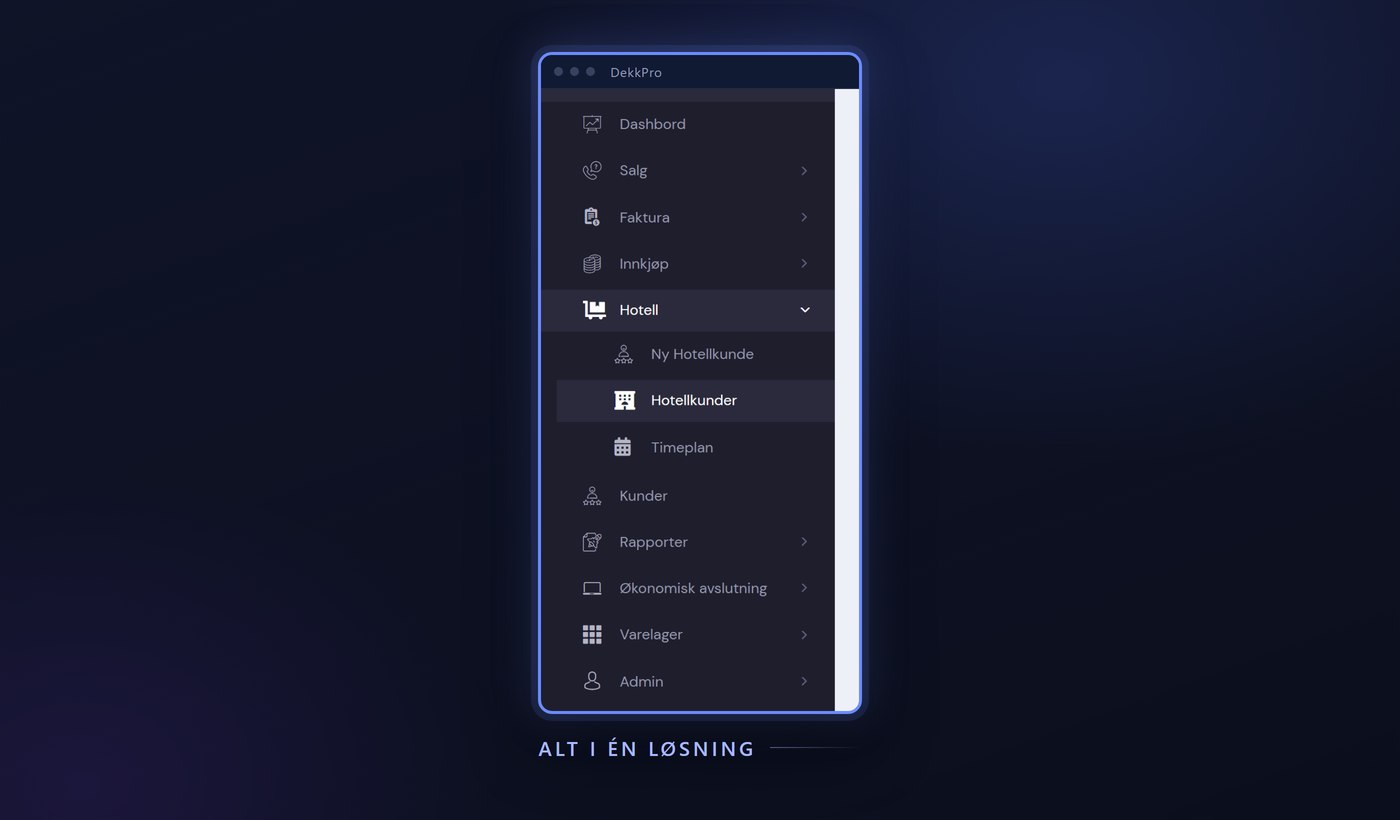
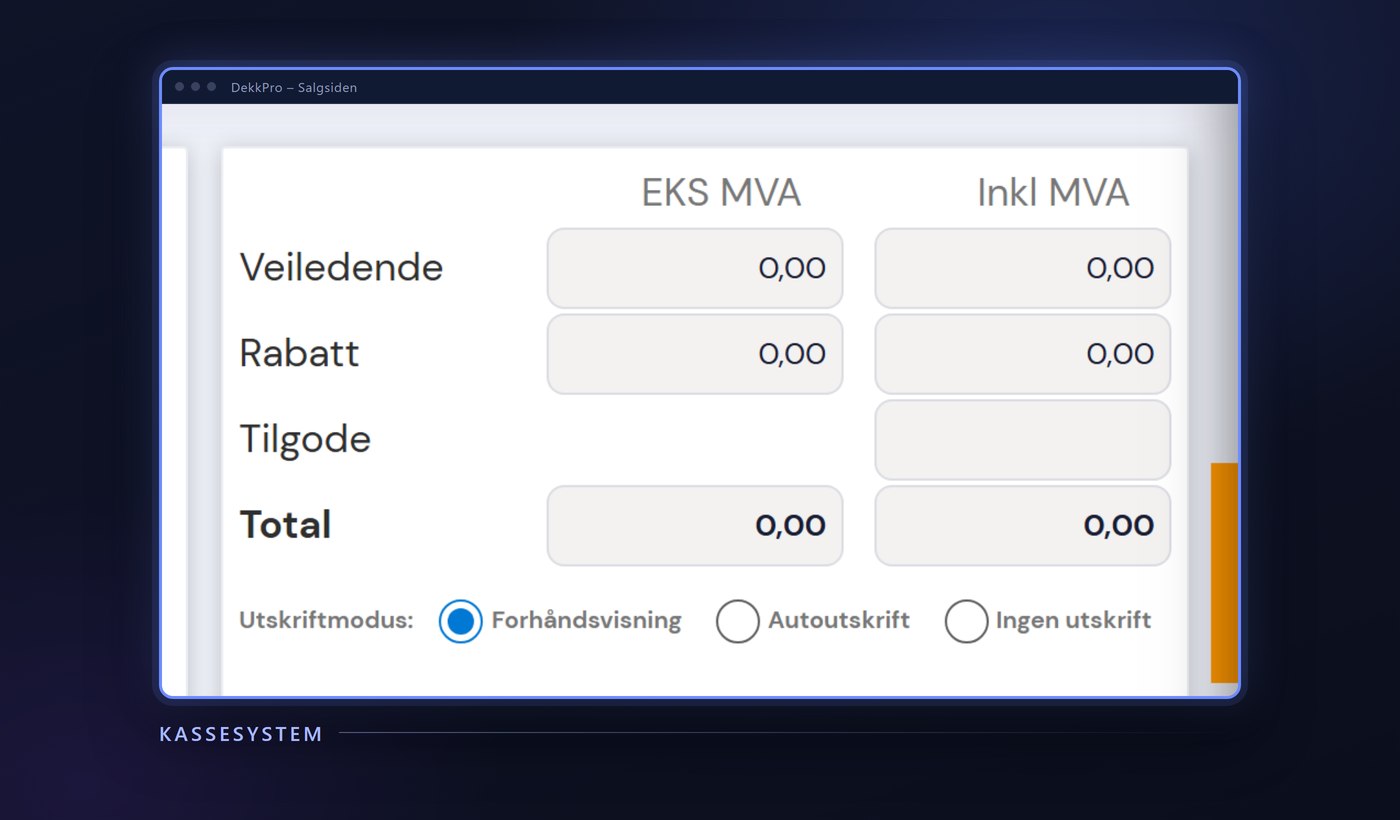
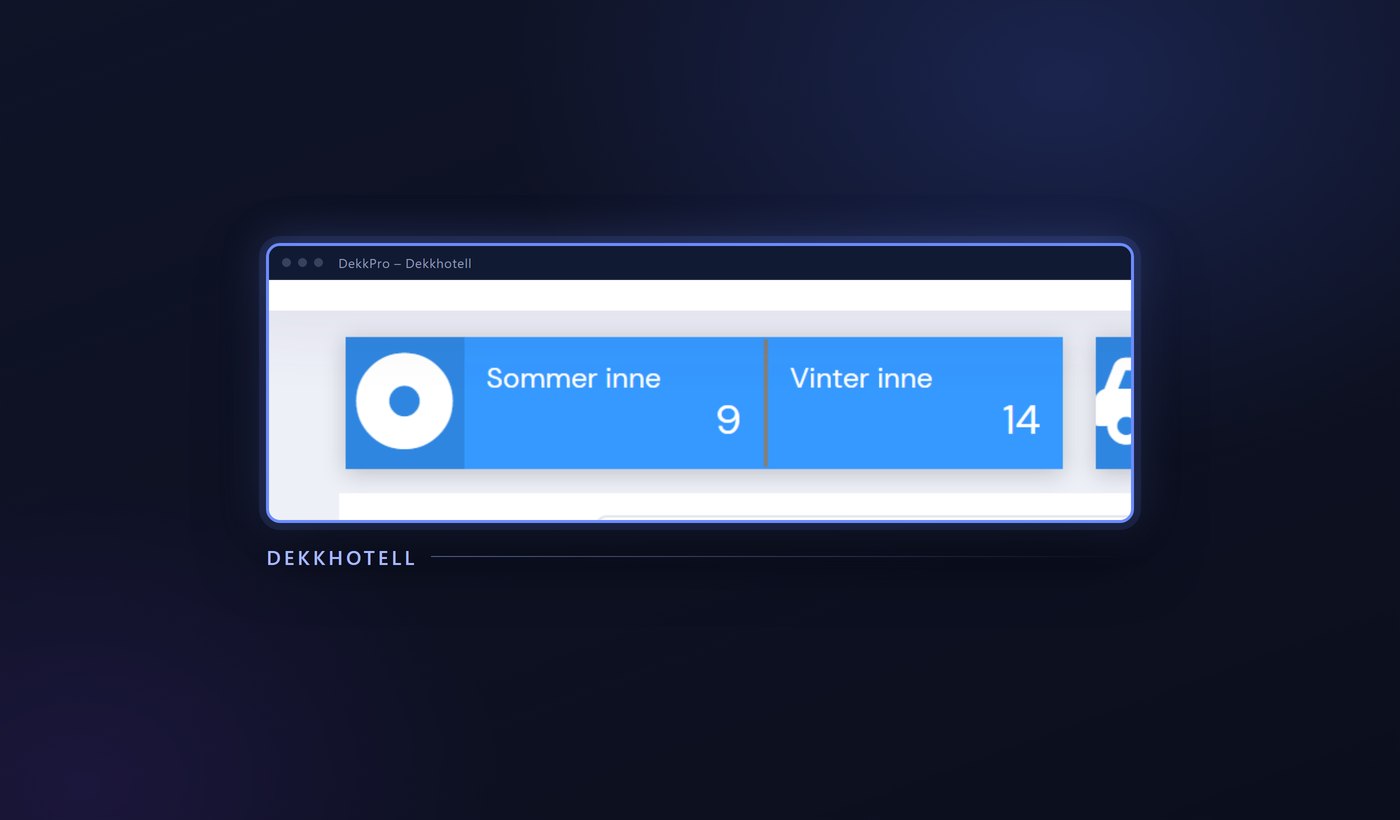
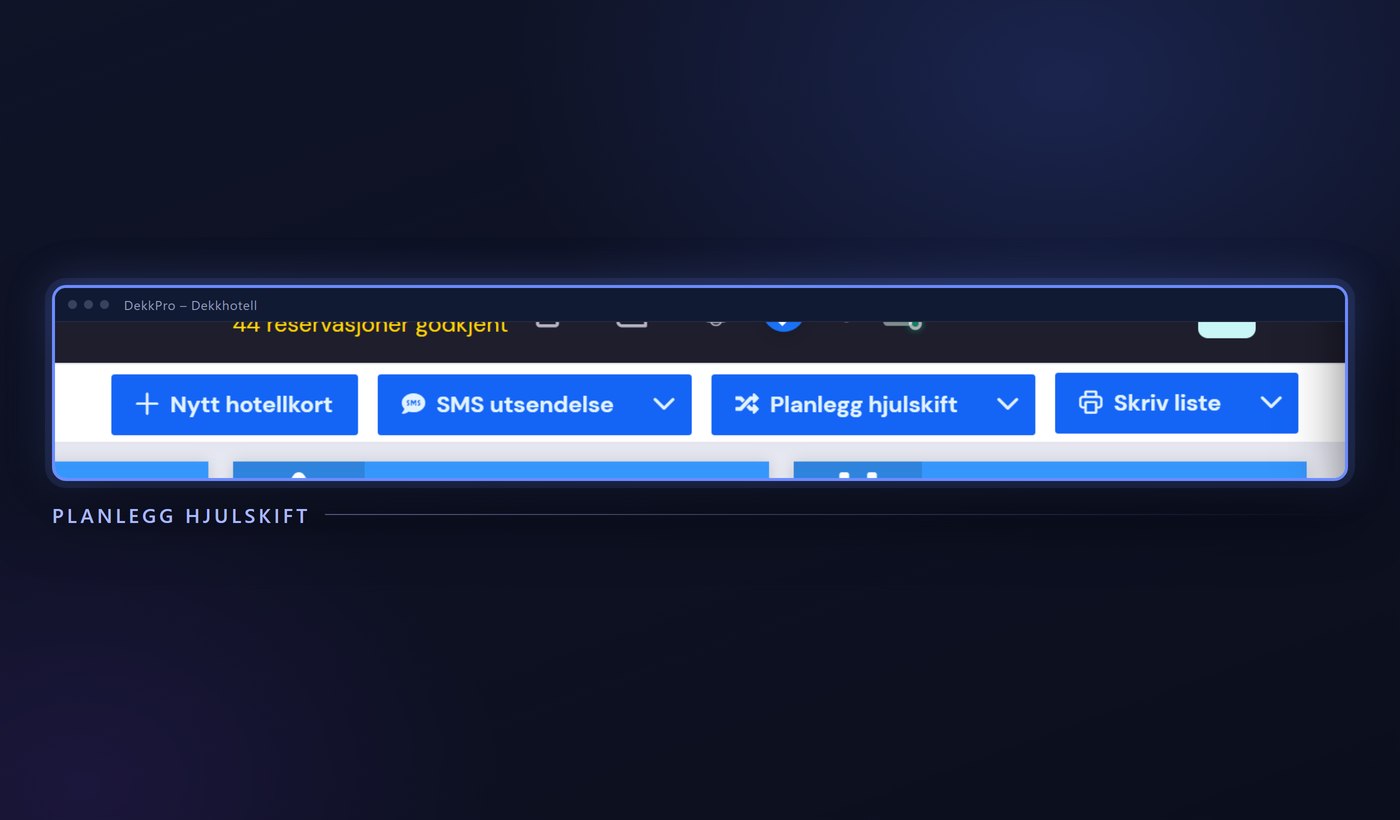
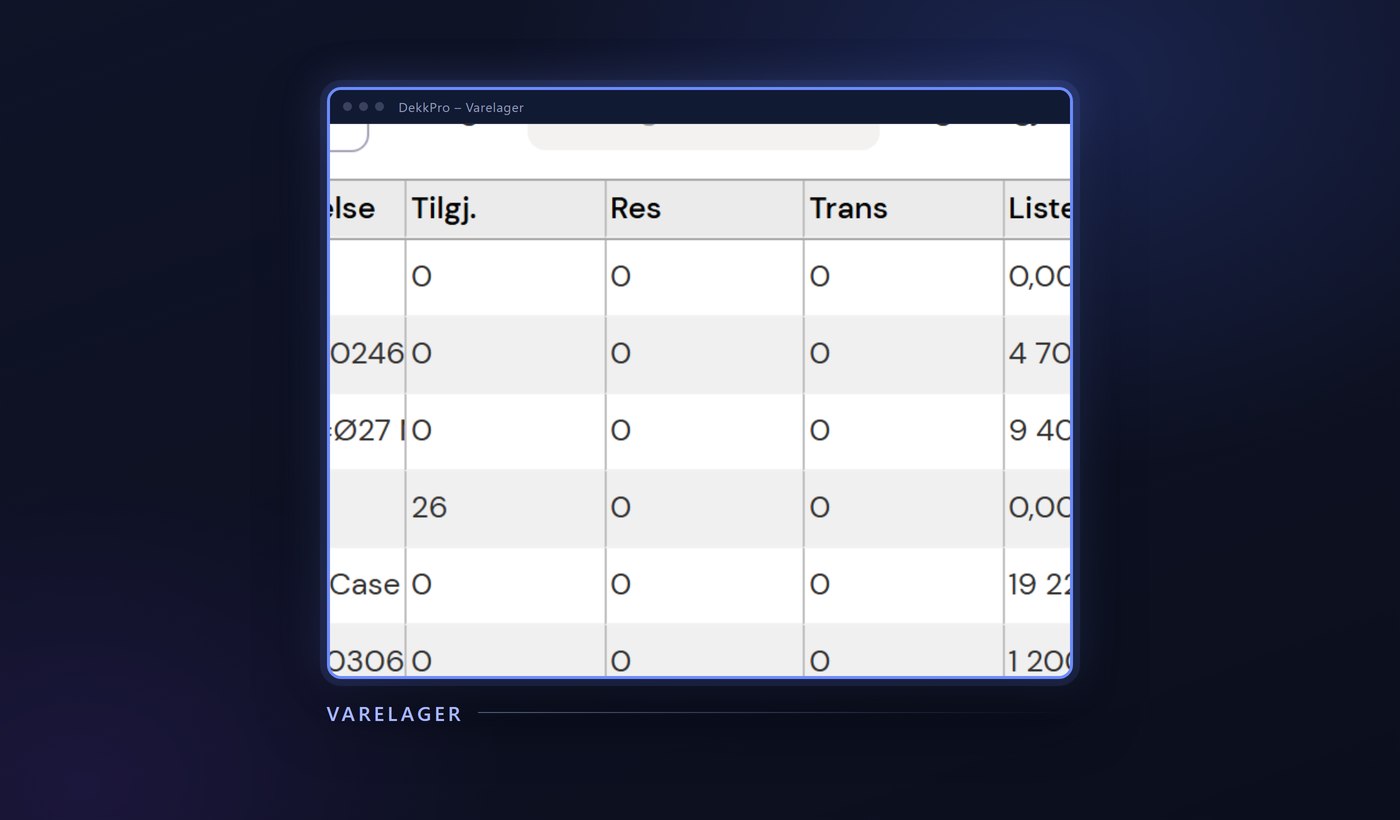
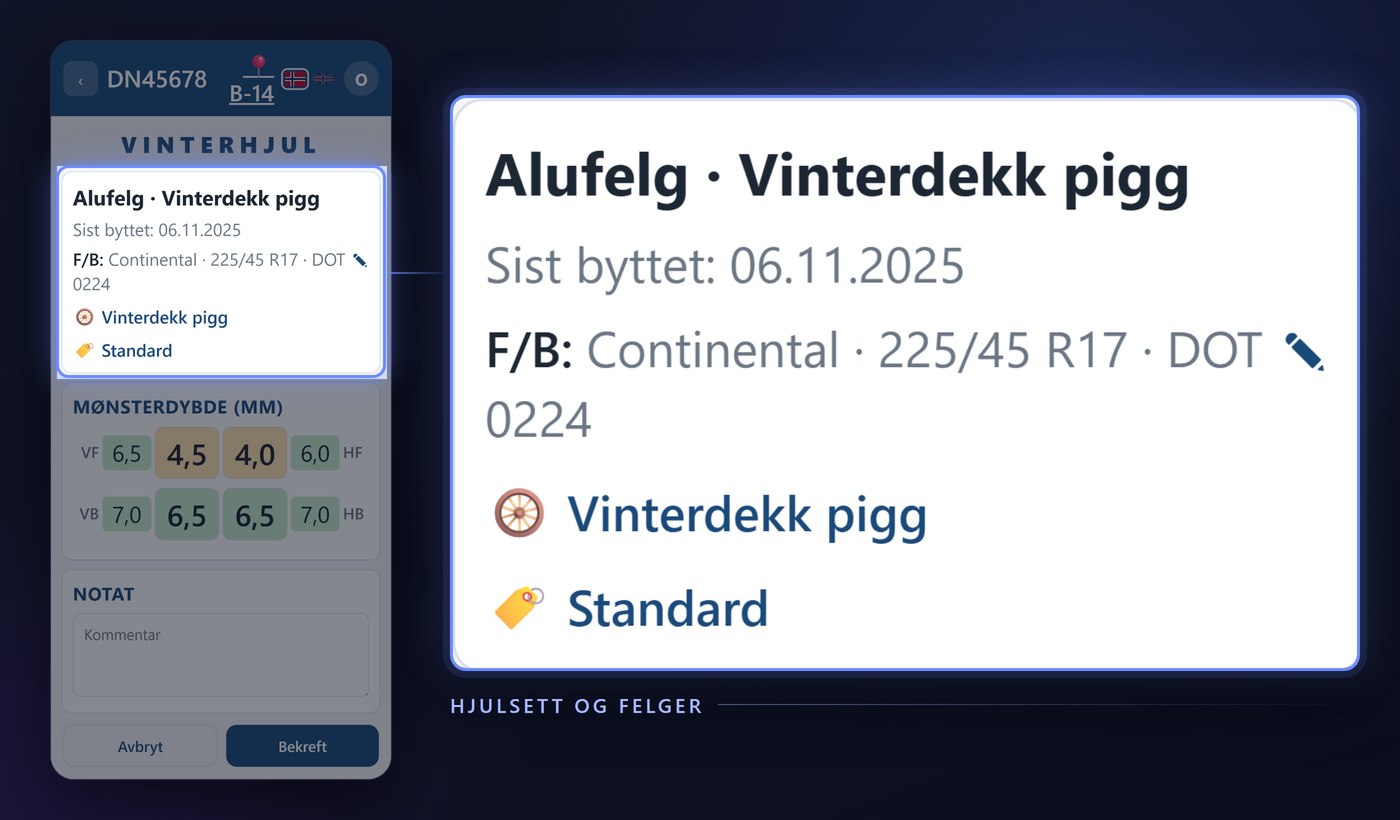
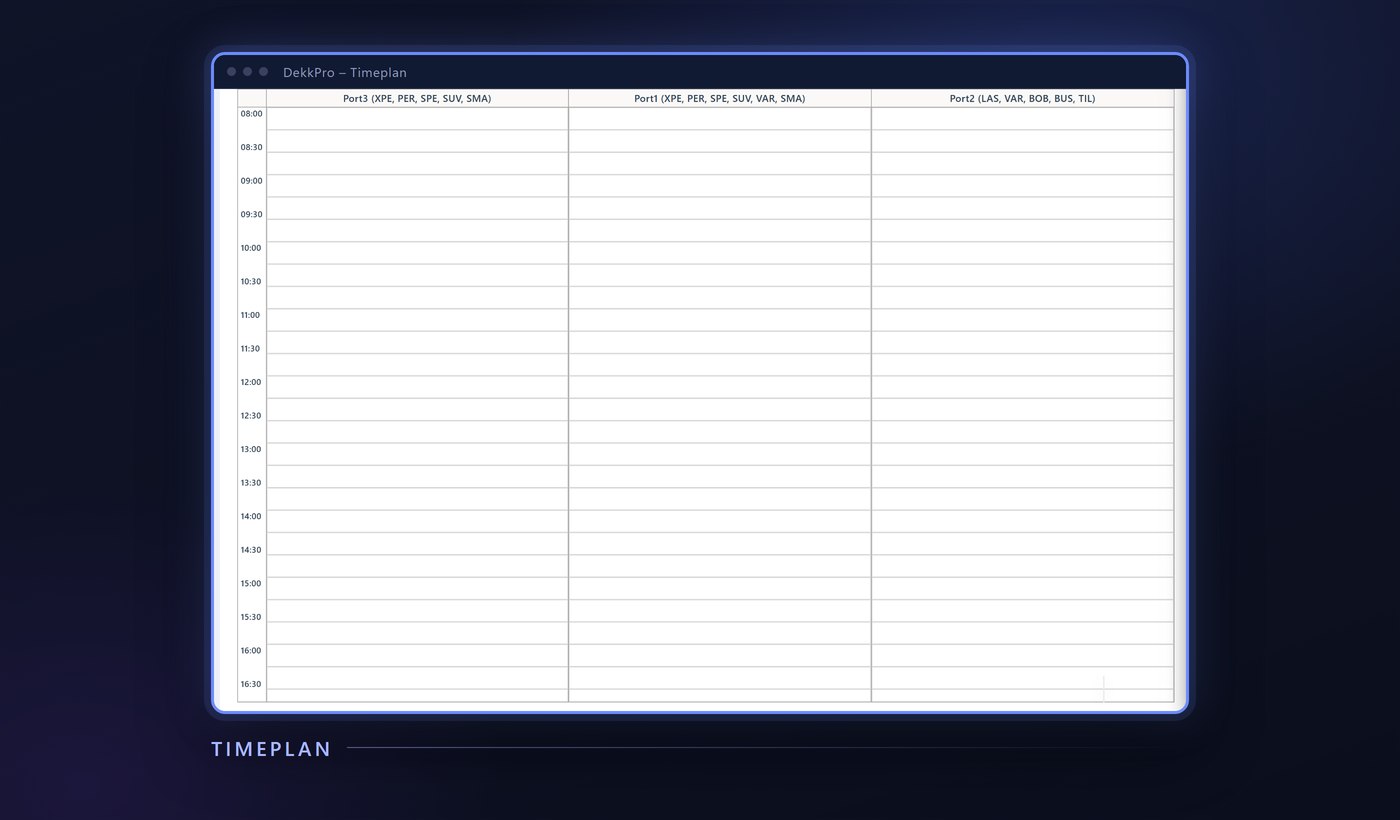
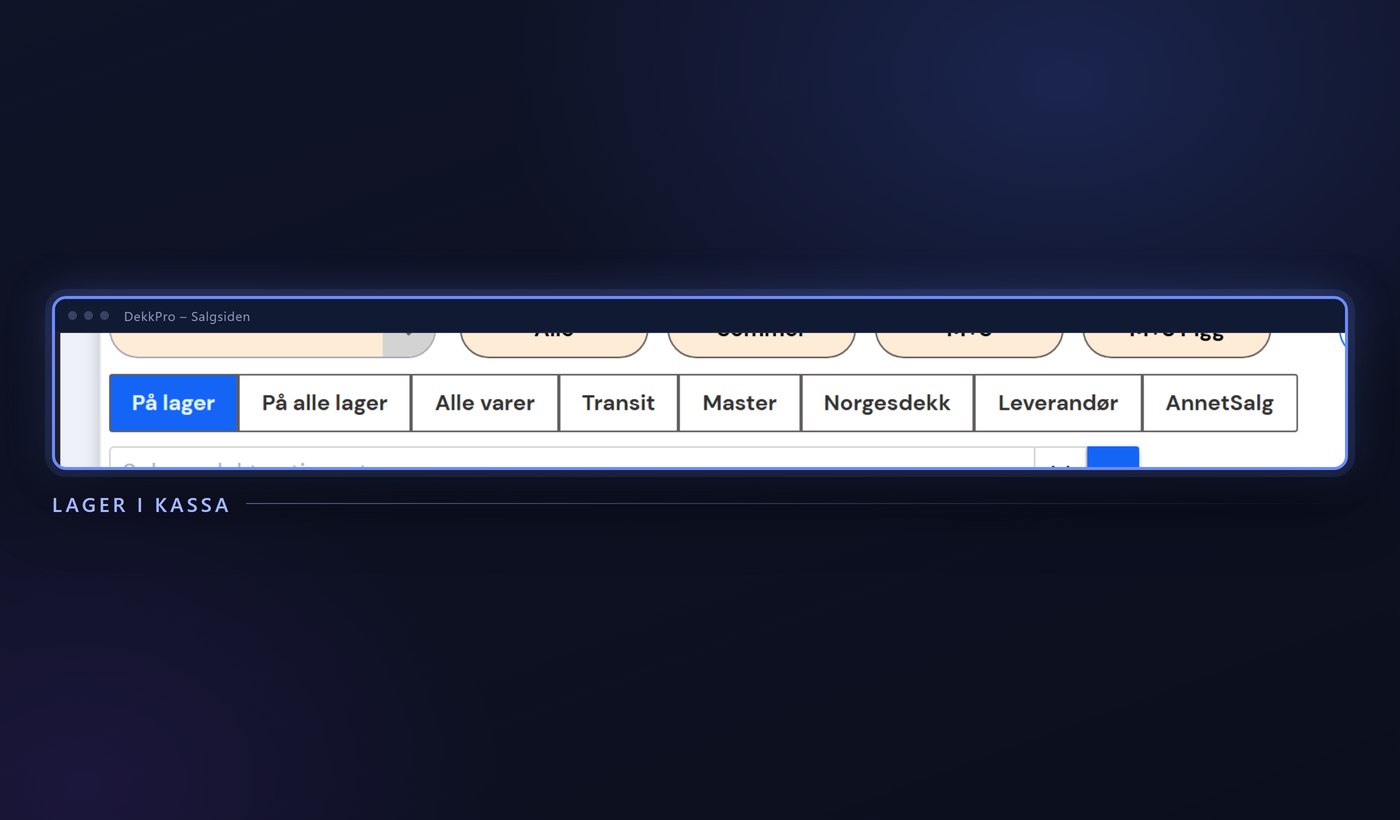
What you need is a POS with inventory management that knows what is in stock while you are selling it, a tire hotel system that keeps track of wheel sets and locations, a schedule that stops two cars being given the same bay, and a link to accounting so nobody enters the same sale twice. That is what DekkPro is.
The order that works
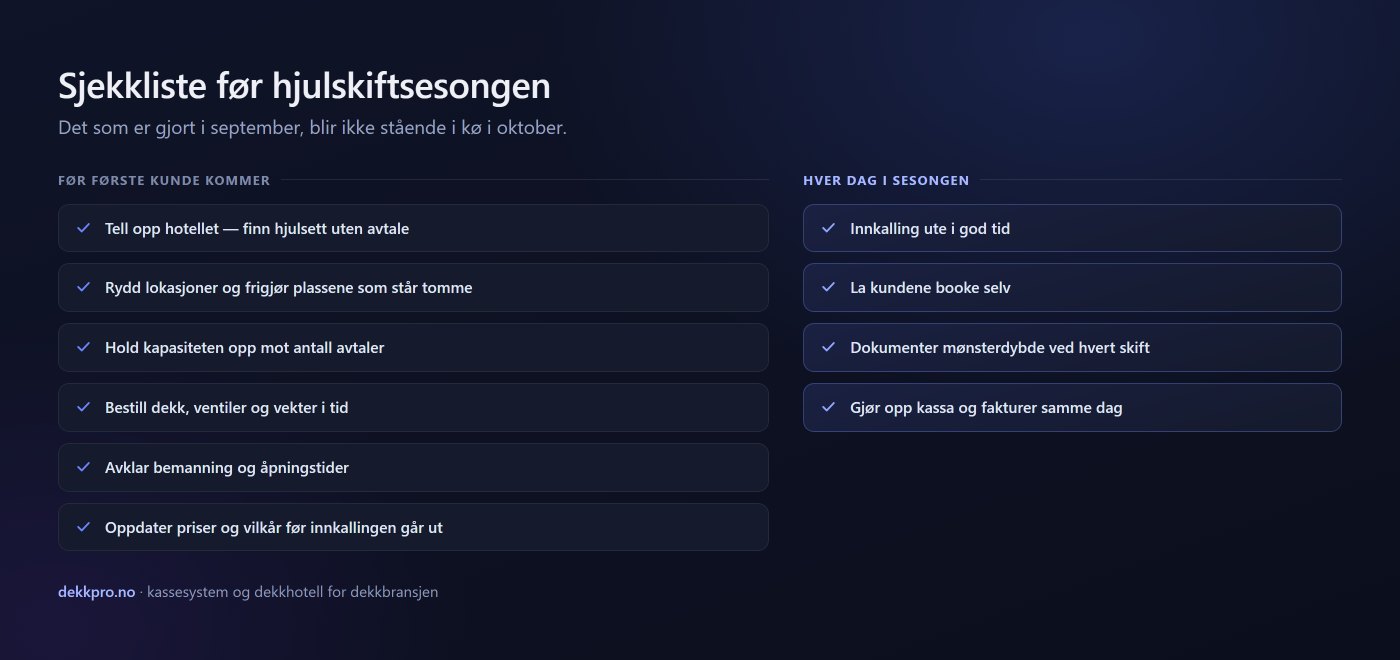
Machines first — they have the longest lead time, and everything else can be planned while you wait. Storage and racks while the machines are on order. The system in place before you take in the first wheel set, not after. Moving half a year of tire hotel out of a spreadsheet and into a system is a job nobody wants to do twice.
If you are in the planning stage, get in touch. We will show you what the system side looks like in practice, and gladly point you towards machines and suppliers even though we do not sell them ourselves. See pricing and book a demo, or read more about what the system covers.